
Canine Distemper — A Complete Guide for Pet Parents
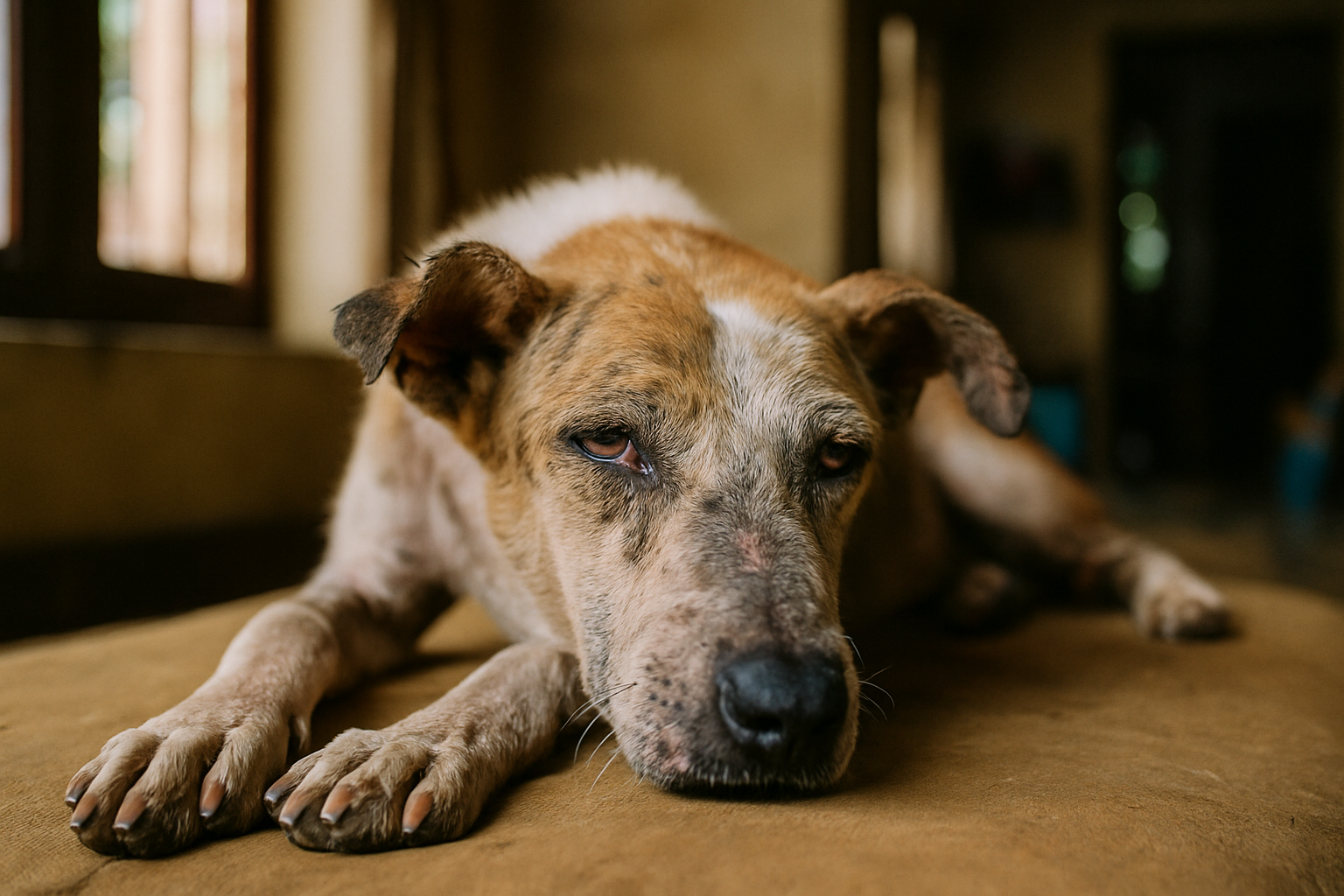
This guide provides comprehensive information on canine distemper, a contagious viral disease affecting dogs, covering its symptoms, prevention, and treatment options. It is designed to help pet parents understand the importance of vaccinations and how to protect their pets from this potentially fatal illness.
Overview
Canine distemper is a highly contagious viral disease that affects dogs worldwide, including in India. The virus is part of the Morbillivirus family, which also includes the measles virus found in humans. It primarily affects the respiratory, gastrointestinal, and nervous systems of dogs and certain wildlife species, such as foxes and raccoons. Understanding the disease, its symptoms, and preventive measures is crucial for all pet parents to safeguard their dogs' health.
Causes/Risk Factors
Canine distemper is caused by the canine distemper virus (CDV). The virus spreads through direct contact with an infected animal or through airborne exposure. Dogs can contract the virus by sharing food and water bowls or through inhalation of respiratory droplets from an infected dog.
- Age: Puppies and young dogs are particularly susceptible, especially those who have not been vaccinated.
- Vaccination Status: Unvaccinated dogs are at a higher risk of contracting the virus.
- Environment: Dogs in shelters or kennels where many dogs are housed together are at increased risk due to close contact with other animals.
- Immune System: Dogs with weakened immune systems, due to malnutrition or other illnesses, are more vulnerable.
Symptoms
The symptoms of canine distemper can vary widely and may mimic other diseases, making diagnosis challenging. They typically appear 1-2 weeks after exposure to the virus. Key symptoms include:
- Respiratory Symptoms: Coughing, sneezing, nasal discharge, and difficulty breathing.
- Gastrointestinal Symptoms: Vomiting, diarrhea, and loss of appetite.
- Neurological Symptoms: Seizures, twitching, and paralysis. Neurological symptoms can occur weeks to months after initial infection.
- Other Symptoms: Fever, lethargy, and thickened footpads, sometimes referred to as "hard pad disease."
Treatment
There is no cure for canine distemper, so treatment focuses on alleviating symptoms and preventing secondary infections. Supportive care is critical and may include:
- Fluid Therapy: To prevent dehydration, especially in cases of severe vomiting and diarrhea.
- Antibiotics: Although they do not treat the virus itself, they can help prevent or treat secondary bacterial infections.
- Anticonvulsants: To manage seizures and other neurological symptoms.
- Nutritional Support: Ensuring the dog receives adequate nutrition during recovery.
In severe cases, hospitalization may be necessary to provide intensive care and monitoring. Home veterinary services, like Petovac, can offer valuable support by conducting follow-up care in the comfort of your home.
Prevention
Vaccination is the most effective way to prevent canine distemper. Puppies should receive a series of distemper vaccinations starting at 6-8 weeks of age, with boosters every 3-4 weeks until they are about 16 weeks old. Adult dogs should receive regular booster vaccinations as recommended by your veterinarian.
- Vaccination: Ensure your dog is current on all vaccinations, including the distemper vaccine.
- Isolation: Keep your dog away from unvaccinated animals and wildlife.
- Hygiene: Regularly clean and disinfect your dog’s living area and food bowls.
- Regular Check-ups: Schedule regular veterinary visits to monitor your dog's health and update vaccinations as needed.
When to See a Vet
If your dog shows any symptoms of canine distemper, it is crucial to seek veterinary attention immediately. Early intervention can improve the chances of recovery and prevent the spread of the virus to other animals. Contact a veterinarian if your dog exhibits:
- Persistent coughing or sneezing
- Severe vomiting or diarrhea
- Signs of neurological distress, such as seizures or twitching
- Unusual lethargy or fever
In conclusion, while canine distemper is a serious disease, it is largely preventable through vaccination and responsible pet care. By staying informed and vigilant, pet parents can protect their dogs from this potentially deadly virus. If you have concerns or need assistance, consider reaching out to a home veterinary service like Petovac for convenient and professional care.
Concerned About Your Pet's Health?
Skip the stressful clinic visit. Petovac brings vets to your doorstep for check-ups, vaccinations, and more — currently serving Bangalore, expanding soon.
Book a Home Vet Visit