
Complete Dog Vaccination Schedule in India
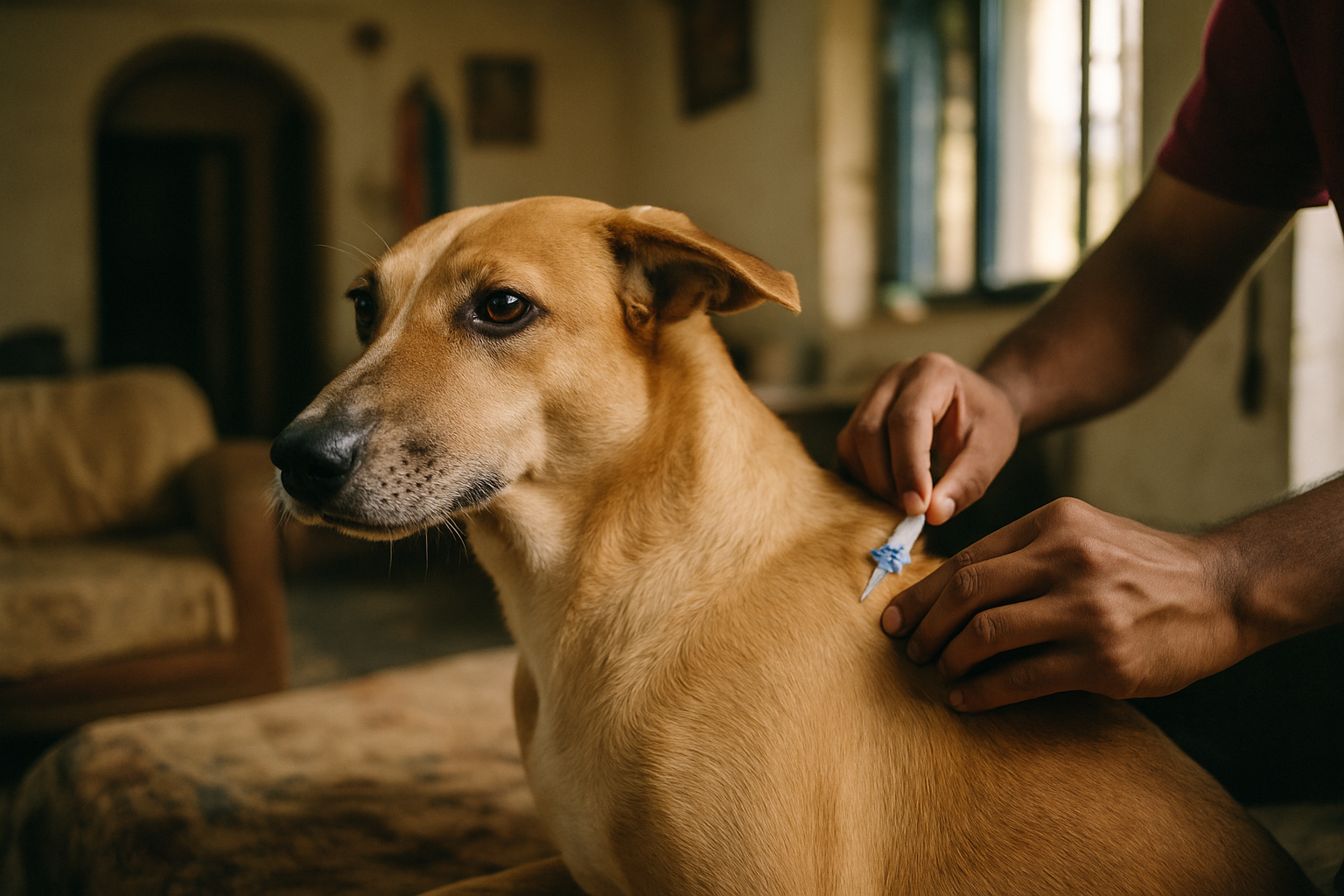
This guide provides a comprehensive overview of the recommended vaccination schedule for dogs in India, detailing the essential vaccines and their appropriate timing. It aims to help pet owners ensure their dogs receive necessary immunizations to protect against common diseases.
Overview
Vaccinations play a crucial role in safeguarding your dog against various infectious diseases. In India, where diverse climates and environmental conditions exist, ensuring that your dog is vaccinated according to a proper schedule is essential for their health and well-being. This guide provides a comprehensive overview of the recommended vaccination schedule for dogs in India, helping pet parents keep their furry companions safe and healthy.
Core Vaccines
Core vaccines are those that are universally recommended for all dogs, regardless of their lifestyle or location. These vaccines protect against diseases that are widespread and pose a significant risk to canine health.
- Canine Distemper Virus (CDV): A highly contagious viral disease that affects the respiratory, gastrointestinal, and nervous systems.
- Canine Parvovirus (CPV): A viral infection that causes severe gastrointestinal illness in puppies and dogs.
- Canine Adenovirus (CAV): Protects against infectious canine hepatitis.
- Rabies: A fatal viral disease that affects the central nervous system and poses a risk to both animals and humans.
Non-Core Vaccines
Non-core vaccines are recommended based on your dog's specific risk factors, such as their lifestyle, geographic location, and exposure to other animals.
- Leptospirosis: A bacterial infection that can lead to kidney and liver damage.
- Canine Influenza: A contagious respiratory disease in dogs.
- Bordetella Bronchiseptica: Commonly known as kennel cough, this is a highly contagious respiratory disease.
Vaccination Schedule
Below is a typical vaccination schedule for puppies and adult dogs in India. Please note that individual needs may vary, and it is essential to consult with a veterinarian for a tailored schedule.
Puppies
- 6-8 weeks: First dose of DHPP (Distemper, Hepatitis, Parvovirus, Parainfluenza).
- 10-12 weeks: Second dose of DHPP.
- 12-16 weeks: Rabies vaccine.
- 14-16 weeks: Third dose of DHPP.
- Optional: Bordetella, Leptospirosis, and Canine Influenza may be administered based on risk factors.
Adult Dogs
- Annually: Booster dose of DHPP and Rabies.
- Every 1-2 years: Non-core vaccines such as Leptospirosis, Bordetella, and Canine Influenza, depending on exposure risk.
Causes/Risk Factors
Dogs are at risk of contracting infectious diseases through various means, including exposure to other infected animals, contaminated environments, and even through their owners in some cases. Puppies, due to their immature immune systems, are particularly vulnerable. Factors such as living in areas with high stray dog populations, frequenting dog parks or boarding facilities, and traveling can increase your dog's risk of exposure.
Symptoms of Vaccine-Preventable Diseases
Common symptoms of diseases that can be prevented through vaccination include:
- Fever
- Lethargy
- Vomiting and diarrhea
- Respiratory distress, such as coughing or nasal discharge
- Neurological signs, such as seizures or coordination issues
Treatment
While some viral diseases have no specific cure and treatment is supportive, vaccines are highly effective in preventing these diseases. In cases where a dog becomes ill with a vaccine-preventable disease, treatment may involve hospitalization, intravenous fluids, medications to control symptoms, and intensive care.
Prevention
Vaccination is the most effective way to prevent infectious diseases in dogs. Ensuring your pet follows the recommended vaccination schedule is critical. Additionally, minimizing exposure to potentially infected animals and maintaining good hygiene and sanitation practices can reduce the risk of disease.
Petovac's home veterinary services can provide convenient access to vaccinations, ensuring your dog receives timely protection without the stress of travel.
When to See a Vet
Regular veterinary check-ups are essential for maintaining your dog's health and ensuring they are up-to-date on vaccinations. You should see a vet if:
- Your dog misses a scheduled vaccination.
- Your dog shows signs of illness, especially if they are due for a vaccine.
- You are unsure about your dog's vaccination status or have questions about their vaccination needs.
Keeping your dog vaccinated is a vital part of responsible pet ownership. By adhering to the recommended vaccination schedule, you protect not only your pet but also contribute to the broader public health effort to control the spread of infectious diseases.
Concerned About Your Pet's Health?
Skip the stressful clinic visit. Petovac brings vets to your doorstep for check-ups, vaccinations, and more — currently serving Bangalore, expanding soon.
Book a Home Vet Visit