
Deworming Guide for Dogs — Schedule, Dosage & Signs
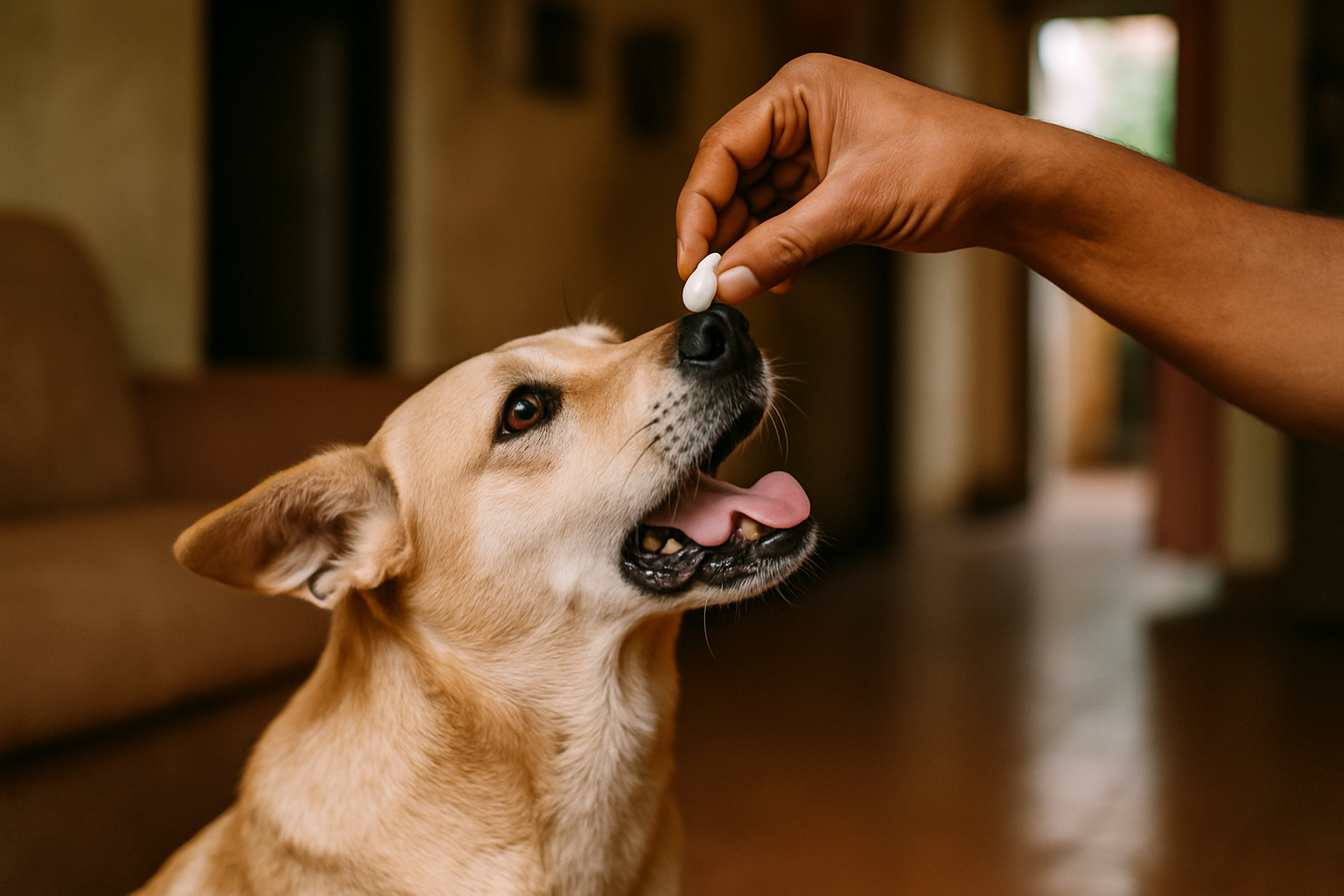
This deworming guide for dogs provides detailed information on the recommended schedule, appropriate dosage, and key signs that indicate the need for treatment. It is an essential resource for pet owners to ensure their dogs remain healthy and free from parasitic infections.
Overview
Deworming is a crucial aspect of maintaining your dog's health. Worm infestations can lead to severe health problems in dogs, affecting their growth, coat, and overall well-being. Regular deworming helps prevent these issues and is a vital part of responsible pet ownership. Understanding the schedule, dosage, and signs of worm infestations will ensure that your furry friend remains healthy and happy.
Causes/Risk Factors
Dogs are susceptible to various types of worms, including roundworms, hookworms, whipworms, and tapeworms. These parasites can be contracted through different means:
- Environment: Dogs can pick up worm eggs or larvae from contaminated soil, water, or feces.
- Fleas: Tapeworms, for example, are often transmitted through fleas. If a dog ingests a flea during grooming, it can become infected.
- Mother to Puppy: Puppies can be born with worms, having contracted them from their mother before birth or through nursing.
- Diet: Consuming raw meat or infected prey can introduce worms into a dog's system.
Symptoms
Worm infestations can manifest through various signs, which can vary depending on the type of worm:
- Diarrhea: Often accompanied by blood or mucus.
- Vomiting: Sometimes worms can be seen in the vomit.
- Weight Loss: Despite a good appetite, infected dogs may lose weight.
- Potbellied Appearance: Particularly in puppies.
- Dull Coat: An infested dog may have a dry, lackluster coat.
- Visible Worms: In feces or around the dog’s anus.
- Coughing: In cases of severe infestations, especially with hookworms or roundworms.
Treatment
Treating worm infestations involves administering appropriate deworming medication. The choice of medication may vary depending on the type of worm and the dog's age and overall health.
Medication
- Over-the-Counter Dewormers: Available at pet stores and pharmacies, these can be effective for mild infestations.
- Prescription Dewormers: A veterinarian may prescribe specific medications for severe infestations or for worms that require targeted treatment.
It’s essential to follow the dosage instructions carefully. Overdosing can be harmful, while underdosing may not effectively clear the infestation.
Follow-Up
After initial treatment, a follow-up fecal examination may be necessary to ensure that the worms have been completely eradicated. Your vet may suggest repeating the deworming process after a few weeks to catch any remaining larvae that have matured into adult worms.
Prevention
Preventing worm infestations is easier and healthier for your dog than treating them after they occur. Here are some preventive measures:
- Regular Deworming Schedule: Puppies should be dewormed every two weeks until they are 12 weeks old, then monthly until they are six months old. Adult dogs should be dewormed at least every three months.
- Flea Control: Since fleas can transmit tapeworms, maintaining a flea control regimen is crucial.
- Hygiene: Keep your dog's living area clean and dispose of feces promptly.
- Diet: Avoid feeding your dog raw meat or allowing them to scavenge.
- Regular Vet Check-Ups: Routine veterinary visits can help catch infestations early.
When to See a Vet
If your dog exhibits any signs of a worm infestation, or if you notice worms in their feces or vomit, it's important to consult a veterinarian. Additionally, if your dog is lethargic, losing weight without explanation, or has a persistent cough, these could be signs of a severe infestation requiring professional intervention.
Petovac offers a convenient home veterinary service that allows for easy access to professional care, ensuring your pet receives timely and appropriate treatment without the stress of travel.
Regular deworming is an essential part of keeping your dog healthy and happy. By following a proper deworming schedule and maintaining good hygiene and preventive practices, you can protect your furry companion from the discomfort and health risks associated with worm infestations.
Concerned About Your Pet's Health?
Skip the stressful clinic visit. Petovac brings vets to your doorstep for check-ups, vaccinations, and more — currently serving Bangalore, expanding soon.
Book a Home Vet Visit