
Senior Dog Care — Health Checkups & Age-Related Conditions
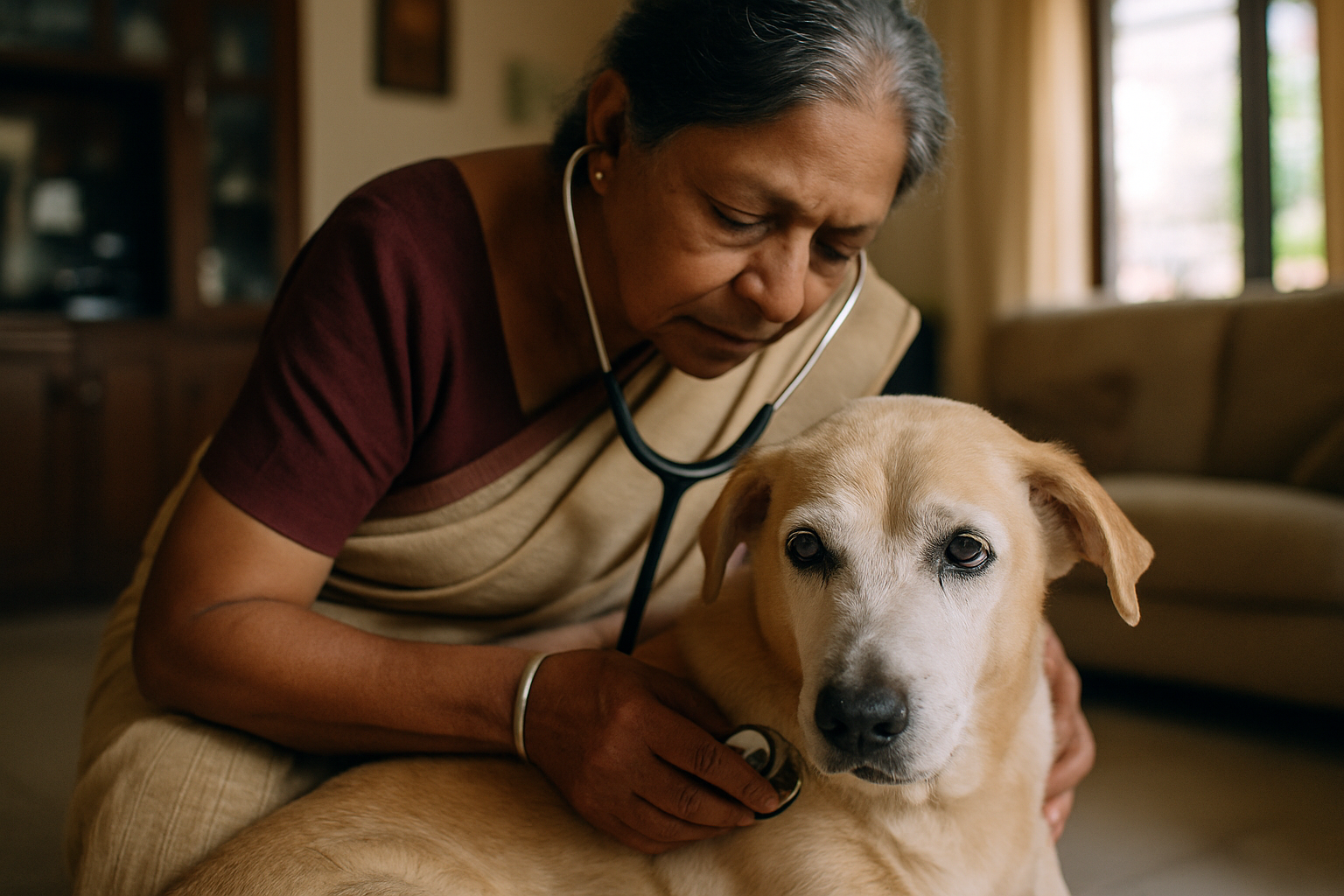
This guide provides essential information on health checkups and managing age-related conditions for senior dogs, emphasizing the importance of regular veterinary visits. It offers tips on recognizing signs of aging and improving the quality of life for older canine companions.
Overview
As our beloved canine companions grow older, their health needs change significantly. Just like humans, senior dogs require special attention to ensure their well-being in their golden years. This guide provides comprehensive insights into senior dog care, focusing on the importance of regular health checkups and common age-related conditions. By understanding these aspects, pet parents across India can better support their aging pets, ensuring they lead happy and comfortable lives.
Causes/Risk Factors
Several factors contribute to the aging process in dogs, and understanding these can help manage their health effectively:
- Genetics: Certain breeds are predisposed to age-related conditions more than others. For instance, larger breeds often have shorter lifespans and may experience joint issues earlier.
- Diet and Nutrition: A lifetime of poor nutrition can exacerbate age-related health issues. Ensuring a balanced diet is crucial for longevity.
- Exercise: Regular physical activity helps maintain a healthy weight and supports joint health, reducing the risk of arthritis and obesity.
- Environment: Dogs exposed to pollution and harsh weather conditions may experience health issues sooner.
- Preventive Care: Regular vaccinations and parasite control throughout a dog’s life can prevent many diseases that may complicate aging.
Symptoms
Aging in dogs can be accompanied by various signs that indicate the need for special care:
- Reduced Activity Level: Older dogs often become less active and may sleep more.
- Weight Changes: Sudden weight gain or loss can indicate underlying health issues.
- Mobility Issues: Stiffness, limping, or difficulty getting up can be signs of arthritis.
- Changes in Appetite: A decrease or increase in appetite could signal health problems.
- Dental Issues: Bad breath, difficulty eating, or drooling might indicate dental disease.
- Behavioral Changes: Increased anxiety, confusion, or changes in interaction can be signs of cognitive decline.
Treatment
Treatment for age-related conditions in dogs varies depending on the specific issues they face. Here are some common treatments:
- Arthritis Management: Anti-inflammatory medications, joint supplements, and physical therapy can help manage arthritis pain.
- Weight Management: A tailored diet plan can help maintain an ideal weight, reducing stress on joints and organs.
- Dental Care: Regular dental cleanings and appropriate chew toys can help maintain oral health.
- Cognitive Support: Supplements and medications may slow cognitive decline and improve quality of life.
- Regular Veterinary Care: Routine checkups allow for early detection and management of health issues.
Prevention
While aging is inevitable, there are steps pet parents can take to prevent or minimize age-related health issues:
- Balanced Diet: Ensure your dog receives a well-balanced diet appropriate for their age, size, and health needs.
- Regular Exercise: Maintain a consistent exercise routine suitable for your dog's age and physical condition.
- Weight Monitoring: Regularly check your dog's weight and consult with your vet to adjust their diet as needed.
- Routine Health Checkups: Schedule regular vet visits to monitor your dog's health and catch any issues early.
- Dental Hygiene: Brush your dog's teeth regularly and provide dental treats to prevent plaque buildup.
- Environmental Enrichment: Provide mental stimulation through toys and activities to support cognitive health.
When to See a Vet
It's crucial to consult a veterinarian if you notice any significant changes in your senior dog's health or behavior. Specific signs that warrant a vet visit include:
- Sudden weight loss or gain
- Noticeable pain or discomfort
- Persistent cough or breathing difficulties
- Severe changes in appetite or drinking habits
- Unusual lumps or bumps
- Behavioral changes such as increased aggression or confusion
Regular veterinary checkups are an essential part of senior dog care. Services like Petovac can provide convenient home veterinary care, ensuring your pet receives the attention they need without the stress of travel.
By being proactive and attentive to your senior dog's needs, you can help them enjoy a happy, healthy life as they age. Remember, early detection and management of health issues are key to ensuring your furry friend remains comfortable and content in their later years.
Concerned About Your Pet's Health?
Skip the stressful clinic visit. Petovac brings vets to your doorstep for check-ups, vaccinations, and more — currently serving Bangalore, expanding soon.
Book a Home Vet Visit