
Understanding the Risks of Obesity in Pets
Obesity in pets is a growing concern for many pet parents in urban areas like Bangalore. Just like in humans, obesity in pets can lead to a myriad of health issues, including diabetes, arthritis, and cardiovascular problems. Recognizing the signs and taking proactive measures can significantly improve your pet's quality of life.
Pets, particularly dogs and cats, can gain weight due to various reasons such as overfeeding, lack of exercise, and medical conditions. As a responsible pet owner, it's crucial to understand these risks and manage your pet's weight effectively to ensure their long-term health and happiness.
Health Risks Associated with Pet Obesity
- Diabetes: Excessive body weight can lead to insulin resistance, increasing the risk of diabetes in pets.
- Joint Problems: Carrying extra weight puts additional strain on a pet's joints, leading to arthritis and other orthopedic issues.
- Heart Disease: Obesity can contribute to high blood pressure and heart disease, reducing your pet's lifespan.
- Respiratory Problems: Overweight pets may experience difficulty in breathing, especially during exercise or in hot weather.
- Liver Disease: Fat accumulation in the liver can lead to serious liver conditions.
Practical Diet Tips for Managing Your Pet's Weight
Managing your pet's diet is one of the most effective ways to control their weight. Here are some practical tips to help you keep your pet healthy:
1. Measure Your Pet's Food
Free-feeding or guessing the amount of food your pet needs can easily lead to overfeeding. Use a measuring cup to ensure you're giving the correct portion size according to your pet's weight and dietary needs. Most pet food brands provide feeding guidelines on their packaging, which can be a useful starting point.
2. Choose the Right Diet
Opt for a high-quality pet food that meets all of your pet's nutritional needs without excess calories. Foods that are high in protein and low in carbohydrates help maintain muscle mass while reducing fat. Consult with your veterinarian to select a diet that's appropriate for your pet's breed, age, and health condition.
3. Limit Treats and Snacks
Treats should not constitute more than 10% of your pet's daily caloric intake. Choose healthy, low-calorie treats or consider using small pieces of vegetables like carrots or cucumbers. Avoid feeding your pet table scraps, as these can be high in fats and sugars.
4. Encourage Regular Exercise
Exercise is crucial for managing your pet's weight. For dogs, daily walks, playtime, and interactive games like fetch can help burn calories. Cats can benefit from toys that encourage chasing, climbing, and jumping. Aim for at least 30 minutes of physical activity each day, adjusting based on your pet's energy levels and capabilities.
5. Monitor Your Pet's Weight
Regularly weighing your pet can help you track their progress and make necessary adjustments to their diet and exercise routine. A visual inspection can also help — you should be able to feel your pet's ribs without pressing too hard and see a visible waistline.
When to Consult a Vet
If you're concerned about your pet's weight, it's always a good idea to consult your veterinarian. A professional can help identify any underlying health issues contributing to weight gain and suggest a tailored weight management plan. In Bangalore, Petovac offers convenient home vet visits, allowing you to get expert advice in the comfort of your own home.
Some signs that warrant a veterinary consultation include:
- Your pet is gaining weight despite a controlled diet and regular exercise.
- Your pet has difficulty breathing or shows signs of pain during movement.
- Your pet's weight loss plan isn't yielding results.
Conclusion
Managing your pet's weight is a vital aspect of responsible pet ownership. By understanding the risks associated with obesity and implementing effective diet and lifestyle changes, you can significantly enhance your pet's health and longevity. Remember, maintaining a healthy weight is a lifelong commitment, and the support of your veterinarian can make this journey smoother. For pet owners in Bangalore, services like Petovac's home vet visits provide the added convenience of professional guidance without the stress of travel.
Need Expert Advice for Your Pet?
Petovac brings experienced veterinarians to your doorstep — currently serving Bangalore, expanding soon.
Book a Home Vet Visit
Stress-Free Vet Visits in Bangalore: A Pet Owners Ultimate Guide
Navigating Vet Visits: A Pet Owner's Guide to Stress-Free Check-Ups and Treatments Visiting the vet...
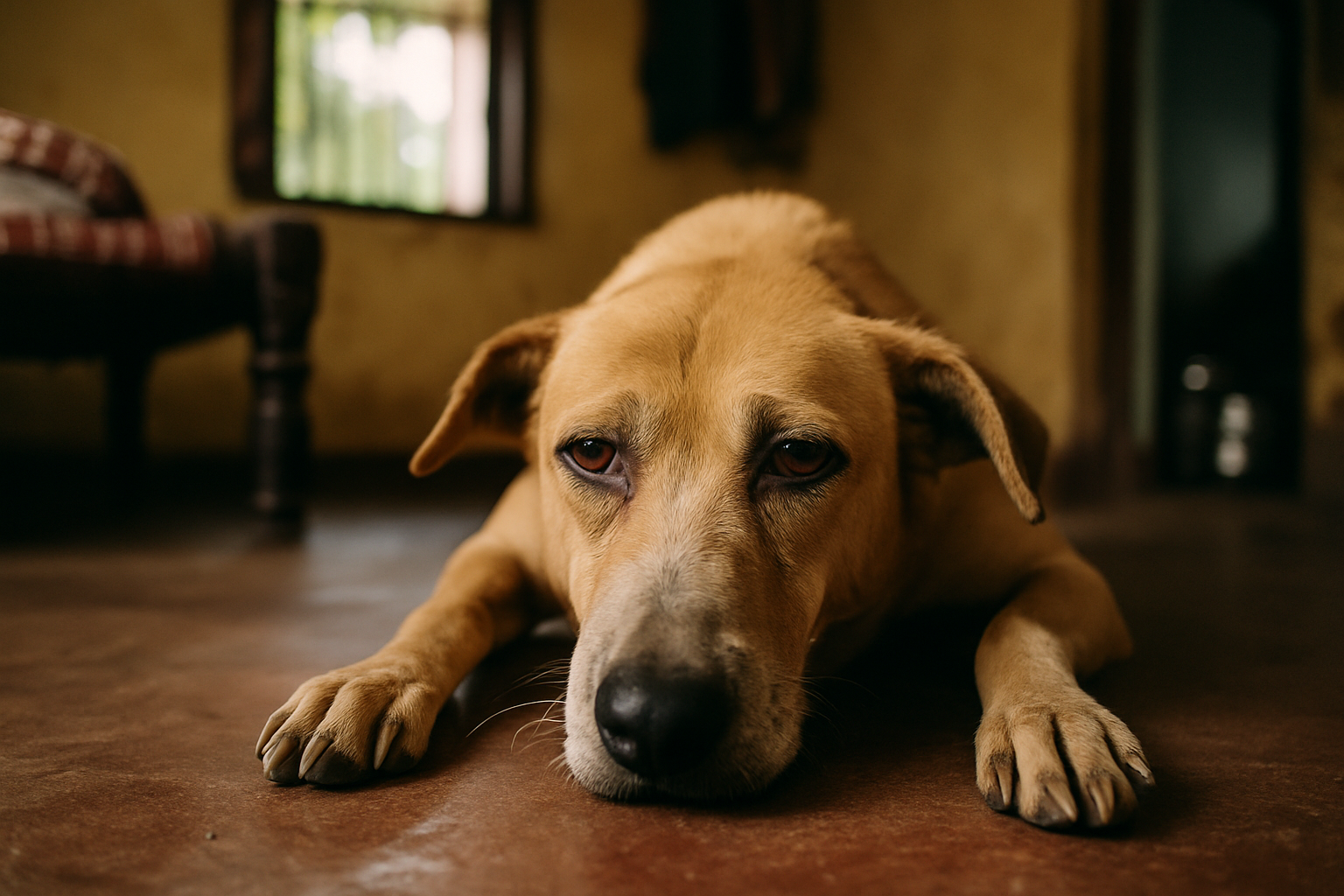
Protect Your Pets: Leptospirosis Risks During Indian Monsoons
Understanding Leptospirosis in Pets: An Indian Monsoon Threat The monsoon season in India brings mu...
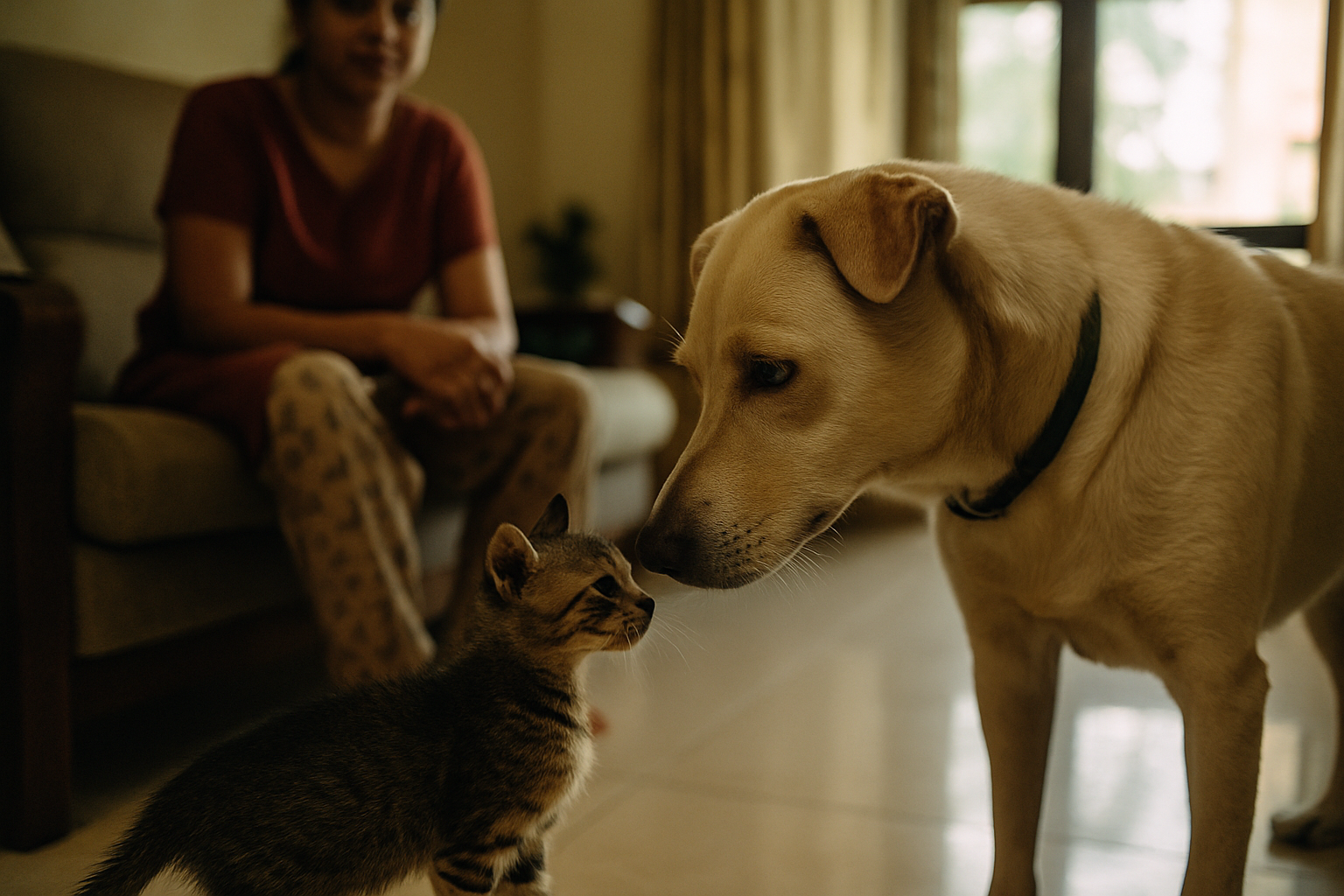
Seamlessly Welcome Your New Pet: Expert Tips for a Smooth Transition
How to Introduce a New Pet to Your Household Bringing a new pet into your home is an exciting exper...