
Dog Vomiting: Causes, Treatment and When to See a Vet
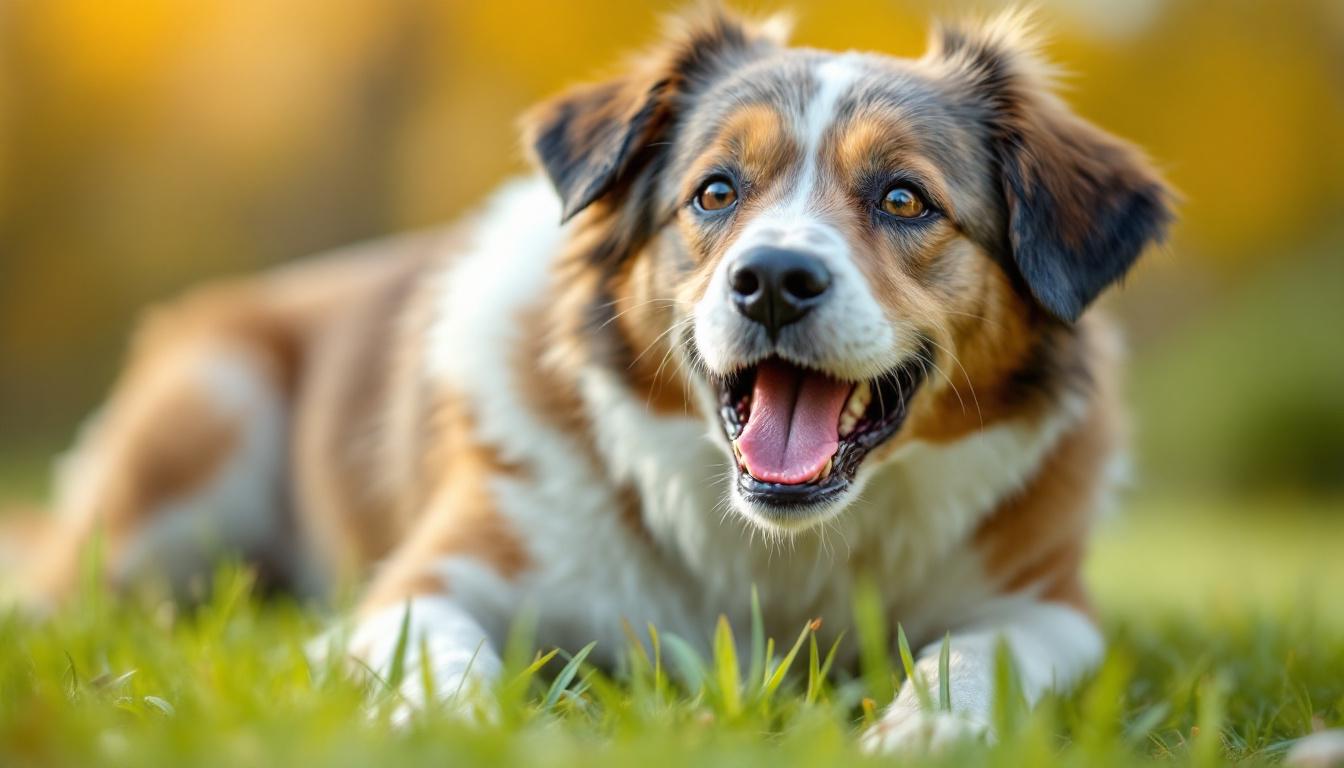
Vomiting in dogs is a common symptom that can occur due to dietary issues, infections, parasites, toxins, or underlying medical conditions. While occasional vomiting may not always indicate a serious problem, repeated vomiting can signal a potentially life-threatening condition that requires veterinary attention.
What Causes Vomiting in Dogs?
Vomiting occurs when the stomach or upper digestive tract becomes irritated, forcing the body to expel stomach contents. Dogs may vomit due to a variety of reasons ranging from simple digestive upset to serious diseases affecting internal organs.
- Eating spoiled food or garbage
- Sudden diet change
- Food intolerance or allergies
- Parasites such as roundworms
- Viral infections such as parvovirus
- Bacterial infections
- Poison ingestion
- Pancreatitis
- Kidney or liver disease
- Intestinal obstruction
Common Symptoms Associated With Vomiting
Vomiting rarely occurs alone. Observing other symptoms helps veterinarians determine the seriousness of the condition.
- Lethargy or weakness
- Loss of appetite
- Diarrhea
- Abdominal pain
- Excessive drooling
- Weight loss
- Dehydration
When Should You Be Concerned?
Occasional vomiting may resolve on its own. However, repeated vomiting can indicate a serious condition that requires immediate veterinary attention.
- Vomiting more than 2–3 times within a few hours
- Blood in vomit
- Vomiting combined with severe lethargy
- Vomiting in puppies
- Persistent vomiting lasting more than 12 hours
Diagnosis by a Veterinarian
Veterinarians diagnose the cause of vomiting through physical examination and diagnostic tests depending on the severity of the condition.
- Blood tests
- X-rays
- Abdominal ultrasound
- Parvo test in puppies
- Stool examination
Treatment Options
Treatment depends on the underlying cause of vomiting. Mild cases may only require supportive care, while severe cases may require hospitalization.
- Anti-vomiting medications
- Intravenous fluids
- Antibiotics for infections
- Deworming medication
- Dietary management
Home Care Tips
If your dog vomits once but appears active and normal, simple home care may help the stomach recover.
- Withhold food for 8–12 hours
- Offer small amounts of water
- Feed a bland diet such as boiled chicken and rice
- Monitor for repeated vomiting
How to Prevent Vomiting in Dogs
- Avoid sudden diet changes
- Prevent access to garbage or toxic foods
- Regular deworming
- Vaccinations
- Safe feeding habits
When to Book a Vet Visit
If vomiting continues or your dog appears weak, dehydrated, or stops eating, it is important to consult a veterinarian immediately.
Petovac veterinarians can examine your pet at home, perform diagnostic tests, and provide treatment without the stress of traveling to a clinic.
Concerned About Your Pet's Health?
Skip the stressful clinic visit. Petovac brings vets to your doorstep for check-ups, vaccinations, and more — currently serving Bangalore, expanding soon.
Book a Home Vet Visit