
"Understanding Hypothyroidism in Dogs: Symptoms, Diagnosis, and Treatment Options for Indian Pet Owners"
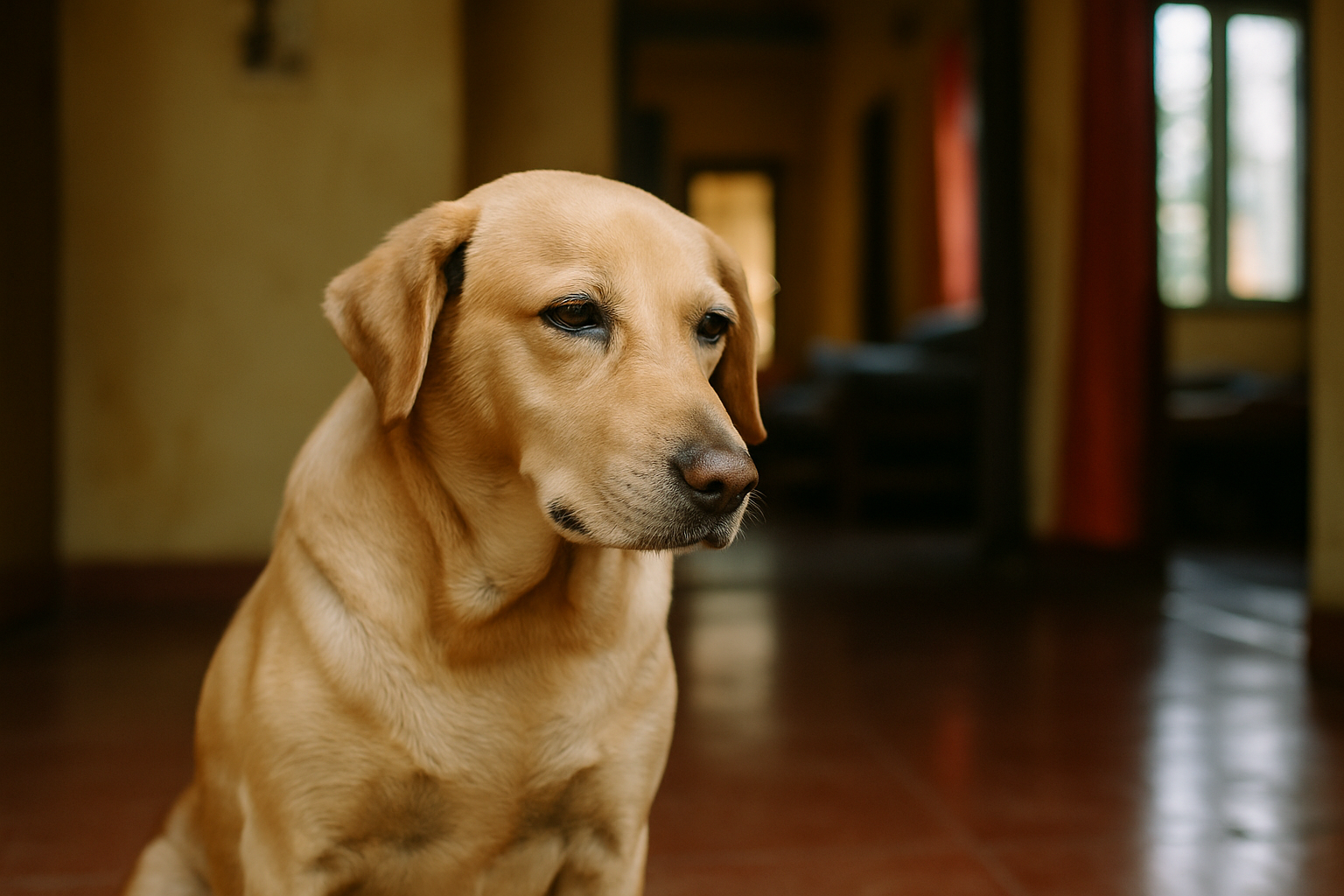
This pet health guide provides Indian pet owners with essential information on hypothyroidism in dogs, covering key symptoms to watch for, diagnostic procedures, and available treatment options. It aims to help dog owners ensure their pets receive timely and effective care for this common thyroid condition.
Overview
Hypothyroidism is a common endocrine disorder in dogs, characterized by an underactive thyroid gland that fails to produce adequate levels of thyroid hormones. These hormones play a crucial role in regulating metabolism and energy balance. While hypothyroidism can affect any dog, it is most commonly seen in middle-aged and older dogs. Understanding the symptoms, diagnosis, and treatment options for hypothyroidism can help pet owners manage this condition effectively.
Causes/Risk Factors
Hypothyroidism in dogs is often caused by one of two conditions: lymphocytic thyroiditis or idiopathic thyroid gland atrophy. Both result in the destruction of the thyroid gland tissue, leading to reduced hormone production. Several factors can increase the risk of hypothyroidism in dogs:
- Breed Predisposition: Certain breeds such as Golden Retrievers, Doberman Pinschers, and Dachshunds are more prone to developing hypothyroidism.
- Age: The condition is more commonly diagnosed in dogs between the ages of 4 and 10 years.
- Gender: Neutered dogs may have a slightly higher risk.
- Genetic Factors: Some dogs may inherit a predisposition to thyroid problems.
Symptoms
The symptoms of hypothyroidism can be subtle and may progress slowly, making them difficult to detect initially. Common symptoms include:
- Weight Gain: Unexplained weight gain despite a normal diet and exercise routine.
- Lethargy: Decreased energy levels and increased sleep.
- Skin and Coat Changes: Dry, flaky skin, hair loss, and a dull coat.
- Cold Intolerance: Dogs may seek warmth and shiver more often.
- Behavioral Changes: Depression, irritability, or changes in behavior.
- Reproductive Issues: Infertility or irregular estrous cycles in females.
Diagnosis
Diagnosing hypothyroidism involves a combination of clinical signs, blood tests, and sometimes imaging studies. Your veterinarian will conduct a thorough physical examination and may recommend the following tests:
- Thyroid Function Tests: These tests measure levels of thyroid hormones (T3 and T4) in the blood.
- TSH Stimulation Test: This test assesses the thyroid gland's response to thyroid-stimulating hormone.
- Complete Blood Count and Biochemistry: To rule out other conditions and assess overall health.
- Ultrasound or Scintigraphy: Occasionally used to evaluate the thyroid gland's size and structure.
Treatment
The primary treatment for hypothyroidism in dogs is hormone replacement therapy. This involves the administration of synthetic thyroid hormones, typically levothyroxine, to restore normal hormone levels. Key points about treatment include:
- Medication: Your veterinarian will prescribe an appropriate dose, which may need periodic adjustments.
- Monitoring: Regular blood tests are necessary to ensure hormone levels remain within the desired range.
- Diet and Exercise: Maintaining a balanced diet and regular exercise can help manage weight and improve overall health.
- Consistency: Consistent administration of medication at the same time each day is crucial for effective management.
Prevention
While hypothyroidism is not entirely preventable, certain measures can help reduce the risk and ensure early detection:
- Regular Veterinary Check-Ups: Routine health checks can help detect early signs of thyroid dysfunction.
- Breed Awareness: Be aware of breed-specific risks and monitor your dog's health accordingly.
- Balanced Diet: Provide a nutritious diet to support overall health and immune function.
- Weight Management: Keep your dog at a healthy weight to reduce stress on the body.
When to See a Vet
If you notice any symptoms of hypothyroidism in your dog or if your pet is part of a high-risk breed, it is crucial to consult a veterinarian. Early diagnosis and treatment can prevent complications and improve your dog's quality of life. If you suspect your dog may be suffering from hypothyroidism, consider utilizing services like Petovac, where a professional can assess your pet in the comfort of your home.
In summary, hypothyroidism is a manageable condition with the right veterinary care and treatment plan. By staying informed and vigilant, you can help ensure your dog leads a healthy and happy life.
Concerned About Your Pet's Health?
Skip the stressful clinic visit. Petovac brings vets to your doorstep for check-ups, vaccinations, and more — currently serving Bangalore, expanding soon.
Book a Home Vet Visit