
Cat Grooming Guide — Skin, Coat & Nail Care at Home
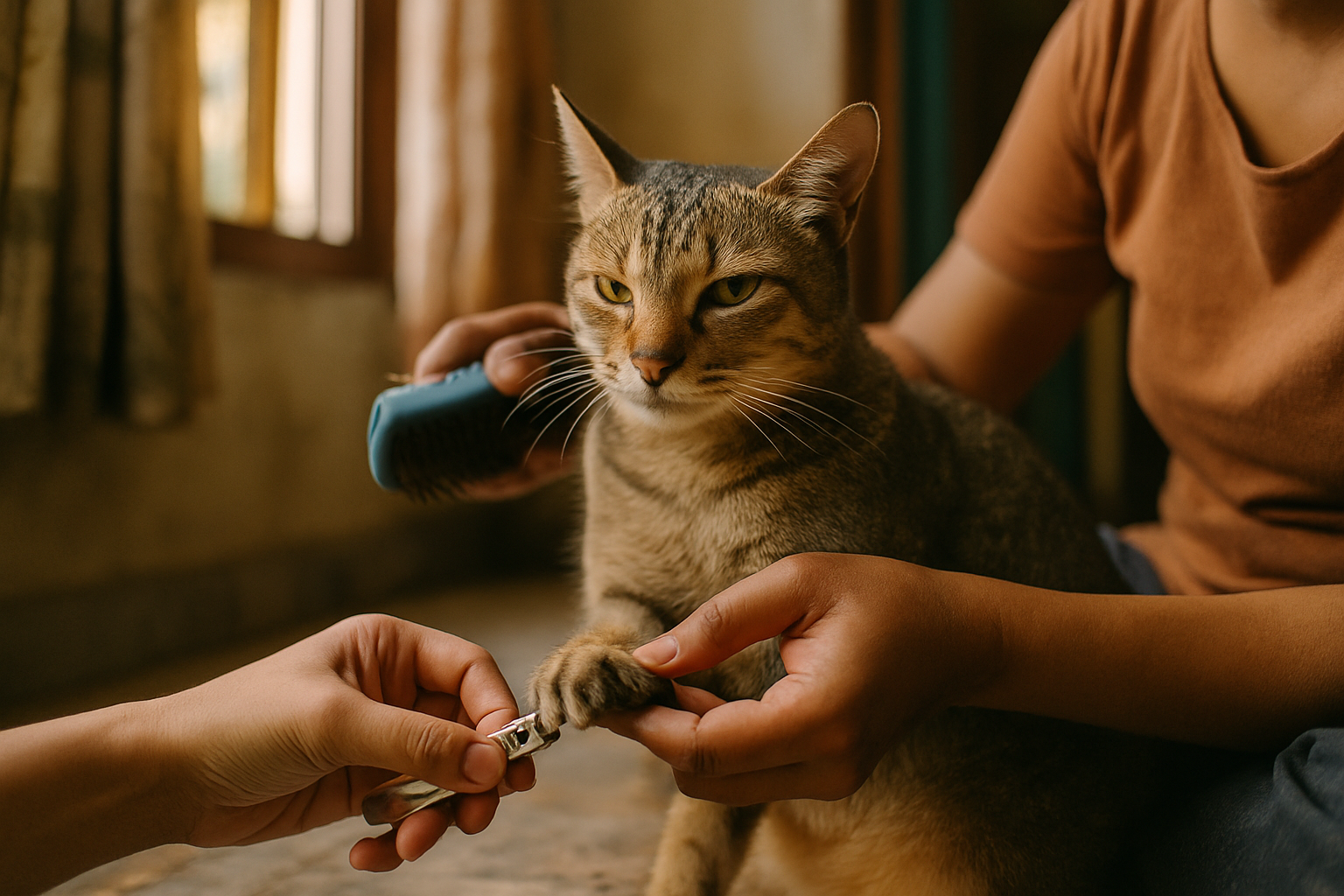
This guide provides essential tips for maintaining your cat's skin, coat, and nails, ensuring overall health and hygiene at home. Learn techniques for effective grooming and discover products that can help keep your feline friend looking and feeling their best.
Overview
Grooming is an essential aspect of maintaining your cat's overall health and well-being. Regular grooming helps in keeping their skin, coat, and nails in optimal condition. This guide provides practical advice on how to groom your cat at home, ensuring they remain comfortable and healthy. Whether you live in a bustling city or a serene countryside, these tips are designed to fit seamlessly into your routine.
Causes/Risk Factors
Regular grooming is crucial to prevent various health issues in cats. Some common causes and risk factors associated with poor grooming include:
- Matting: Cats with long or dense coats are particularly prone to matting, which can lead to skin irritation and infection.
- Shedding: Excessive shedding can result in hairballs and an unclean environment.
- Skin Conditions: Lack of grooming can exacerbate skin allergies, infections, or parasitic infestations.
- Nail Problems: Overgrown nails can cause discomfort, pain, and even lead to infections.
Symptoms
Observing your cat closely will help you identify when grooming is needed. Look for the following signs:
- Unkempt Coat: A dull, tangled, or matted coat is an indication that grooming is necessary.
- Excessive Scratching: This could be a sign of skin irritation or parasites.
- Overgrown Nails: Nails that are visibly long or causing your cat to walk awkwardly need trimming.
- Hairballs: Frequent hairballs may indicate your cat is ingesting too much loose fur.
Treatment
Coat Care
Regular brushing is key to maintaining a healthy coat. Here’s how you can do it:
- Choose the Right Brush: Select a brush suitable for your cat’s coat type. A slicker brush is great for long-haired cats, while a bristle brush works well for short-haired breeds.
- Establish a Routine: Brush short-haired cats once a week and long-haired cats several times a week to prevent matting and reduce shedding.
- Gentle Strokes: Use gentle strokes to avoid irritating the skin. Pay extra attention to areas prone to matting, such as behind the ears and under the legs.
Skin Care
Maintaining healthy skin involves more than just brushing:
- Bathing: Cats generally do not require frequent baths. However, if necessary, use a cat-specific shampoo and ensure thorough rinsing to prevent irritation.
- Moisturizing: In dry climates, consider using a vet-recommended moisturizer to prevent dry skin.
- Parasite Control: Regularly check for fleas and ticks, especially if your cat spends time outdoors. Use veterinarian-approved treatments as needed.
Nail Care
Trimming your cat’s nails is important to prevent overgrowth and related issues:
- Use the Right Tools: A cat nail clipper or grinder is best. Ensure the tool is sharp for a clean cut.
- Be Cautious: Trim only the sharp tip of the nail, avoiding the quick (the pink part within the nail) to prevent bleeding.
- Frequency: Trim your cat’s nails every 2-4 weeks, depending on their growth rate.
Prevention
Preventive care is the best way to ensure your cat’s grooming needs are met:
- Regular Grooming: Establish a consistent grooming schedule to prevent issues before they arise.
- Balanced Diet: A nutritious diet supports healthy skin and coat, reducing the need for intensive grooming.
- Hydration: Ensure your cat has access to fresh water at all times, as hydration supports skin health.
When to See a Vet
While home grooming is effective, certain situations require professional veterinary care:
- Persistent Skin Issues: If your cat has ongoing skin problems despite regular grooming, consult a vet.
- Severe Matting: Professional help may be necessary to safely remove severe mats without harming your cat.
- Nail Complications: If you notice bleeding or infection around the nails, seek veterinary attention.
For pet parents in India, services such as Petovac offer convenient home visits, allowing your cat to receive professional grooming assessments in the comfort of your home.
By following these guidelines, you can help keep your cat healthy, comfortable, and looking their best. Regular grooming not only supports their physical health but also strengthens the bond between you and your feline friend.
Concerned About Your Pet's Health?
Skip the stressful clinic visit. Petovac brings vets to your doorstep for check-ups, vaccinations, and more — currently serving Bangalore, expanding soon.
Book a Home Vet Visit