
Pet Obesity — Risks, Diet Plans & Exercise Tips
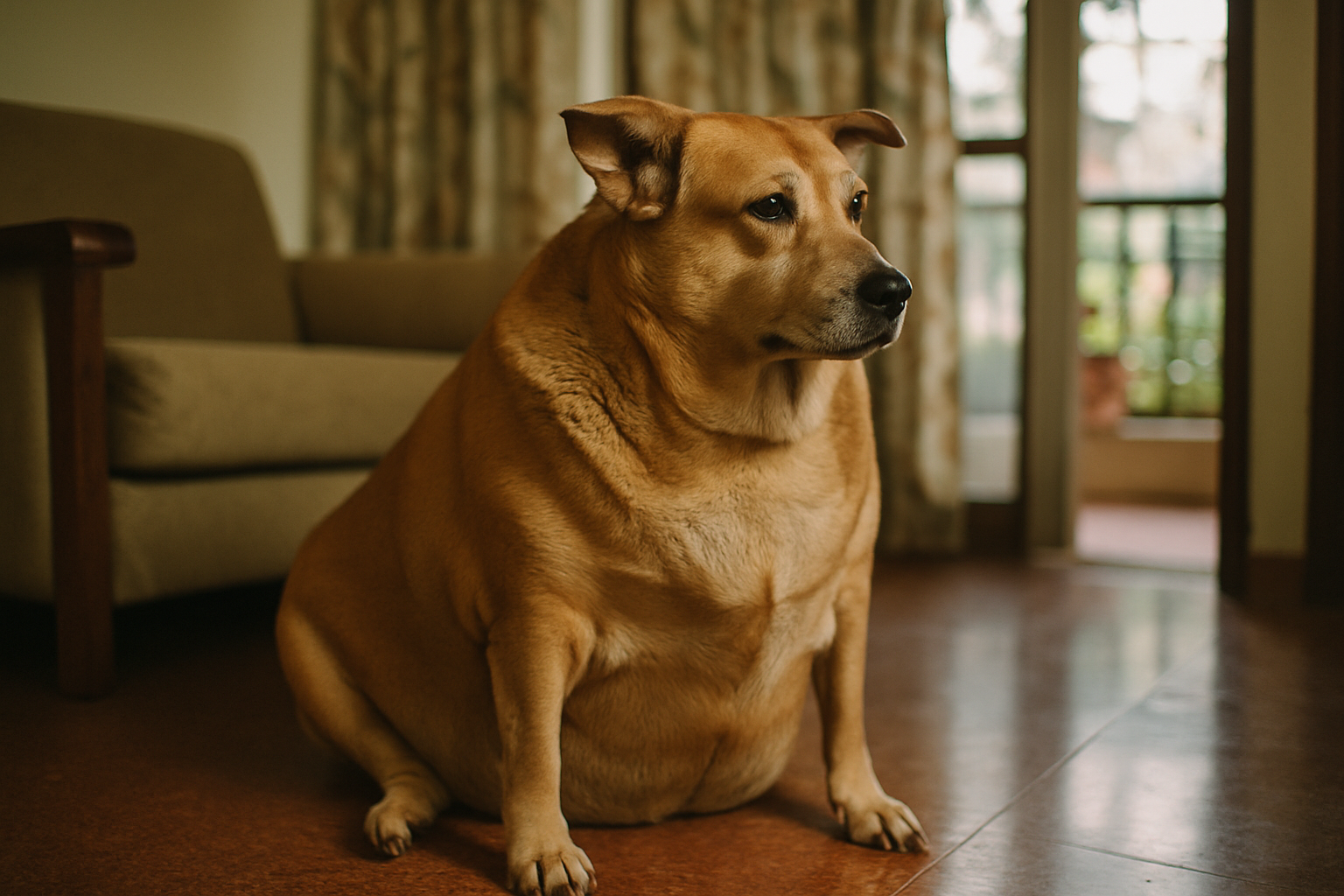
Explore the risks associated with pet obesity and discover effective diet plans and exercise tips to keep your pet healthy. This guide provides valuable insights to help manage your pet's weight and enhance their overall well-being.
Overview
Pet obesity is a growing concern among pet parents worldwide, including those in India. As with humans, obesity in pets is defined as an excessive accumulation of body fat, which can lead to serious health issues. Obesity can affect pets of all ages and breeds, and it is often the result of a combination of excessive calorie intake and insufficient physical activity. Addressing obesity in pets is crucial for ensuring their overall health and longevity.
Causes/Risk Factors
Understanding the causes and risk factors of pet obesity can help pet parents take preventive measures. Some common causes include:
- Overfeeding: Many pet owners tend to overfeed their pets, either by giving them too many treats or by not controlling portion sizes during meals.
- Poor Diet: Feeding pets high-calorie foods that lack nutritional balance can contribute to weight gain.
- Lack of Exercise: Sedentary lifestyles without adequate physical activity can lead to weight gain in pets.
- Genetics: Certain breeds are predisposed to gaining weight more easily, such as Labrador Retrievers, Dachshunds, and Pugs.
- Age: Metabolism slows down as pets age, making older pets more prone to obesity.
- Medical Conditions: Some medical conditions, such as hypothyroidism or Cushing’s disease, can lead to weight gain.
Symptoms
It can be challenging to recognize obesity in pets, especially when weight gain occurs gradually. Here are some signs to watch for:
- Visible Weight Gain: An increase in body weight over time.
- Difficulty in Movement: Pets may exhibit reluctance or difficulty in moving, jumping, or climbing stairs.
- Breathing Issues: Overweight pets may experience difficulty breathing or pant excessively.
- Reduced Stamina: Obese pets often tire quickly during physical activities.
- Inability to Feel Ribs: If you cannot easily feel your pet’s ribs when running your hands along their side, they may be overweight.
Treatment
Treating obesity in pets requires a multifaceted approach involving diet, exercise, and sometimes medical intervention. Here are some strategies:
Diet Plans
- Consult a Veterinarian: Before making dietary changes, consult a veterinarian to determine an appropriate weight loss plan tailored to your pet’s needs.
- Controlled Feeding: Measure your pet’s food to ensure portion control, and avoid free feeding.
- Low-Calorie Diets: Consider switching to a specially formulated low-calorie diet to help reduce calorie intake while maintaining nutritional balance.
- Limit Treats: Reduce the number of treats given, or opt for healthy alternatives like carrot sticks or apple slices.
Exercise Tips
- Regular Walks: Incorporate daily walks into your pet’s routine, gradually increasing the duration and intensity.
- Interactive Play: Engage in interactive play sessions using toys like balls or frisbees to encourage movement.
- Swimming: If accessible, swimming is a low-impact exercise that is excellent for overweight pets.
- Agility Training: Set up a simple agility course in your backyard to make exercise fun and engaging.
Prevention
Preventing obesity is more manageable than treating it. Here are some preventive measures:
- Regular Vet Check-Ups: Regular veterinary check-ups can help monitor your pet’s weight and overall health.
- Balanced Diet: Feed a balanced diet appropriate for your pet’s age, size, and activity level.
- Exercise Routine: Establish a regular exercise routine suitable for your pet’s breed and health status.
- Monitor Weight: Regularly monitor your pet’s weight and body condition to catch any changes early.
When to See a Vet
If you suspect your pet is overweight or if you notice any of the symptoms mentioned above, it’s important to consult with a veterinarian. A vet can assess your pet’s weight, rule out any underlying medical conditions, and provide guidance on a weight loss plan. Regular check-ups with a vet can also help track progress and make necessary adjustments to your pet’s diet and exercise regimen.
For pet parents seeking convenience, services like Petovac offer home veterinary consultations, allowing you to address your pet's health concerns from the comfort of your home. Whether you're in a bustling city or a quieter locale, ensuring your pet's health is always within reach.
Concerned About Your Pet's Health?
Skip the stressful clinic visit. Petovac brings vets to your doorstep for check-ups, vaccinations, and more — currently serving Bangalore, expanding soon.
Book a Home Vet Visit