
Feline Diabetes — Early Detection & Management
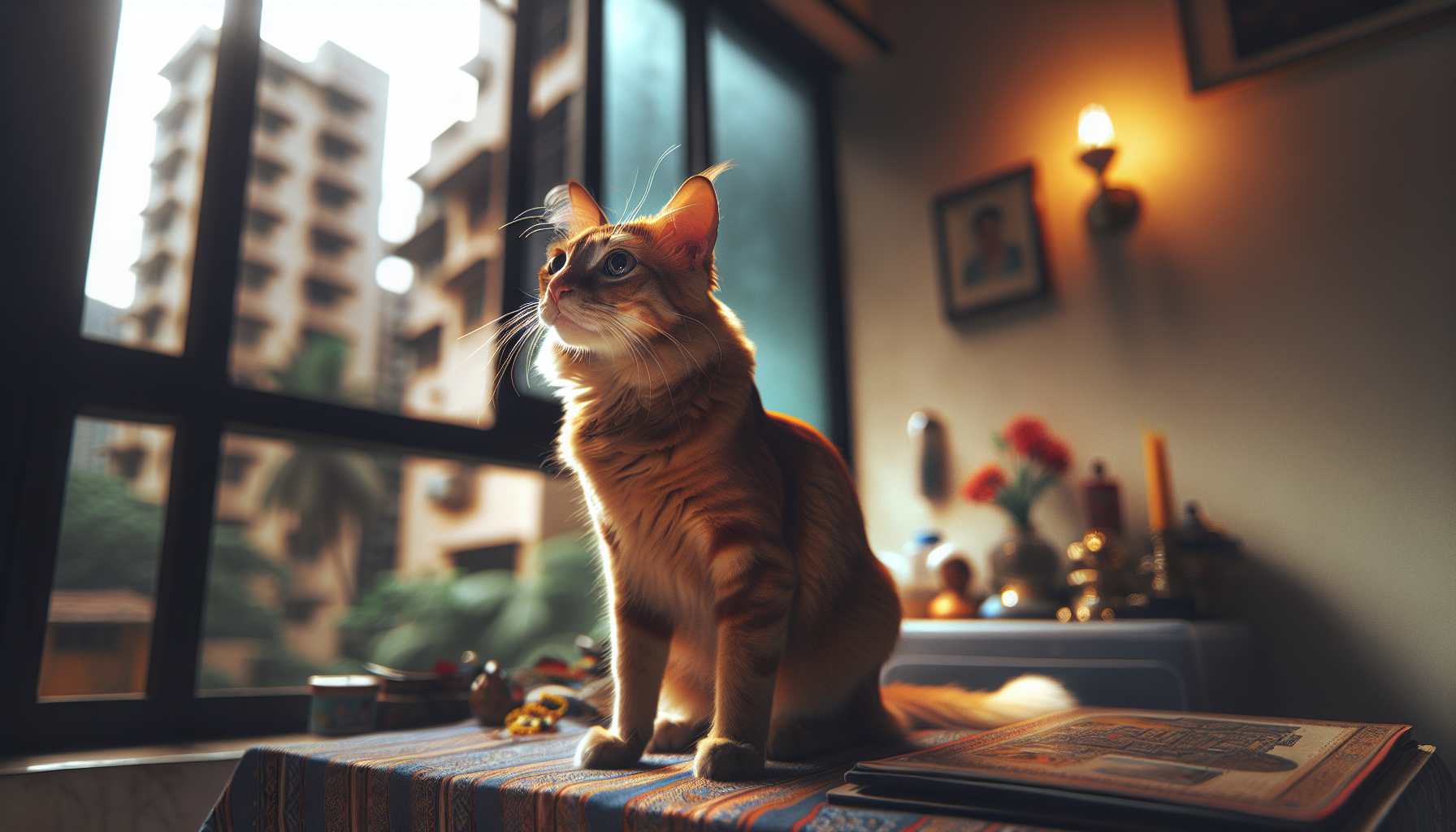
This guide provides essential information on recognizing the early signs of feline diabetes and offers practical advice on effective management strategies. It emphasizes the importance of regular veterinary check-ups and dietary adjustments to maintain your cat's health.
Overview
Feline diabetes, also known as diabetes mellitus, is a common endocrine disorder in cats characterized by an inability to produce or properly use insulin. This condition leads to elevated glucose levels in the blood, which can cause various health issues if left untreated. Early detection and management are crucial for maintaining your cat's quality of life. In Indian cities like Bangalore, where urban lifestyles can impact pet health, understanding feline diabetes is essential for pet owners.
Causes/Risk Factors
Feline diabetes can be influenced by several factors, often interrelated. Understanding these can help in identifying at-risk cats and implementing preventive measures.
- Obesity: Overweight cats are at a higher risk of developing diabetes due to insulin resistance.
- Age: Middle-aged to older cats are more prone to diabetes, with the risk increasing as they age.
- Gender: Male cats, particularly neutered males, are more susceptible to diabetes than females.
- Diet: Diets high in carbohydrates can contribute to obesity and subsequent insulin resistance.
- Genetics: Certain breeds, such as Burmese cats, may have a genetic predisposition to diabetes.
- Inactivity: Sedentary lifestyles, common in urban settings like Bangalore, can increase the risk.
Symptoms
Recognizing the symptoms of feline diabetes early can significantly impact the effectiveness of treatment. Look out for the following signs:
- Increased Thirst and Urination: One of the most common symptoms is excessive drinking and urination.
- Weight Loss: Despite an increased appetite, diabetic cats may lose weight.
- Increased Appetite: Your cat may become more hungry than usual.
- Lethargy: A noticeable decrease in energy levels or reluctance to play.
- Poor Coat Condition: A dull, unkempt coat can indicate underlying health issues, including diabetes.
- Weakness in Hind Legs: Nerve damage due to prolonged high blood sugar levels can lead to a condition known as diabetic neuropathy.
Treatment
Treatment of feline diabetes requires a comprehensive approach, involving lifestyle changes and medical intervention. Here are the primary components of managing this condition:
- Insulin Therapy: Most diabetic cats require insulin injections to manage blood glucose levels effectively. Your veterinarian will determine the appropriate type and dosage of insulin.
- Dietary Management: Feeding a low-carbohydrate, high-protein diet can help regulate blood sugar levels. Consult your vet for dietary recommendations tailored to your cat's needs.
- Weight Management: Keeping your cat at a healthy weight is crucial. Implement portion control and encourage regular physical activity.
- Regular Monitoring: Regular blood glucose monitoring, either at home or through veterinary visits, is essential to ensure effective management of the condition.
Petovac offers convenient home vet visits in Bangalore, allowing for personalized diabetes management and monitoring without the stress of a clinic visit.
Prevention
While not all cases of feline diabetes can be prevented, certain measures can reduce the risk:
- Maintain a Healthy Weight: Regular exercise and a balanced diet can prevent obesity and reduce the risk of diabetes.
- Provide a Balanced Diet: Feed your cat a diet appropriate for their age, weight, and activity level. Consult your vet for specific dietary advice.
- Regular Health Checks: Routine veterinary check-ups can help detect early signs of diabetes or other health issues.
- Encourage Activity: Engage your cat in regular play to maintain a healthy weight and prevent insulin resistance.
When to See a Vet
If you notice any symptoms of diabetes in your cat, such as increased thirst, urination, or weight loss, it is crucial to consult a veterinarian promptly. Early diagnosis and treatment can prevent complications and improve your cat's quality of life. In Bangalore, Petovac's home vet services provide a convenient option for professional assessments and ongoing management of your pet's health.
Feline diabetes is a manageable condition with the right approach and veterinary support. By staying informed and vigilant, you can ensure a healthy and happy life for your feline companion.
Concerned About Your Pet's Health?
Skip the stressful clinic visit. Petovac brings vets to your doorstep for check-ups, vaccinations, and more — currently serving Bangalore, expanding soon.
Book a Home Vet Visit