
"Understanding Canine Parvovirus: Prevention, Symptoms, and Treatment for Pet Owners in India"
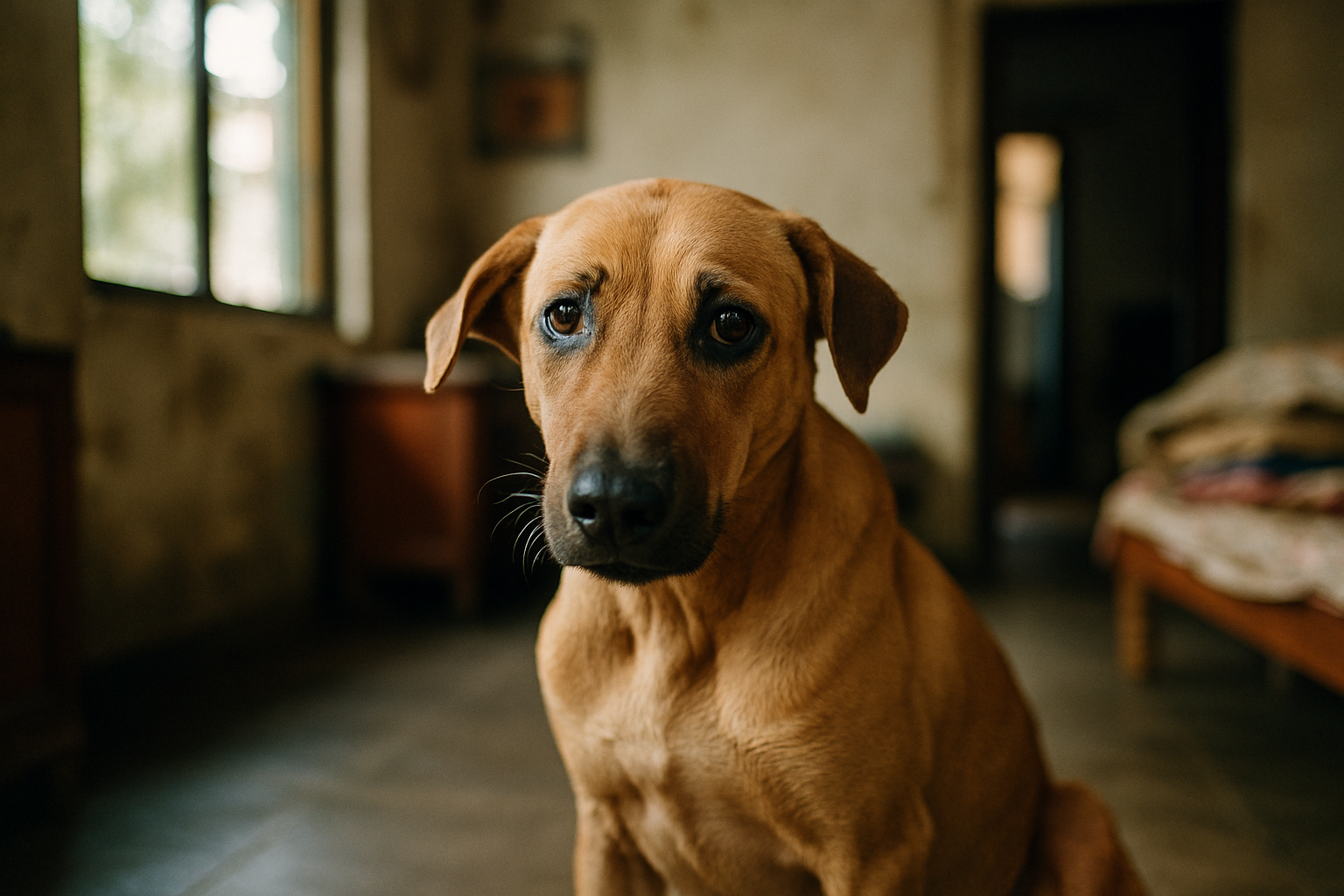
This guide provides essential information on preventing, identifying, and treating canine parvovirus, a highly contagious disease affecting dogs. It is tailored for pet owners in India, emphasizing local resources and practices for effective management.
Overview
Canine parvovirus (CPV) is a highly contagious viral illness that affects dogs, particularly puppies and unvaccinated dogs. It is a significant concern for pet parents across India due to its rapid spread and potentially severe health impacts. Understanding this virus, its symptoms, and how to prevent and treat it is crucial for maintaining the health and well-being of your canine companion.
Causes/Risk Factors
Canine parvovirus is caused by a virus that targets rapidly dividing cells, primarily affecting the intestinal tract. Here are some key risk factors:
- Age: Puppies between the ages of six weeks to six months are most susceptible.
- Vaccination Status: Unvaccinated dogs or those with incomplete vaccination schedules are at higher risk.
- Environment: The virus can survive for long periods in the environment and is resistant to many disinfectants.
- Breed: Certain breeds such as Rottweilers, Doberman Pinschers, and Labrador Retrievers may be more susceptible.
Symptoms
Recognizing the symptoms of canine parvovirus early can be lifesaving. Common symptoms include:
- Severe Vomiting: Frequent and intense vomiting is a hallmark symptom.
- Diarrhea: Often bloody and foul-smelling, leading to severe dehydration.
- Lethargy: Affected dogs may appear unusually tired and inactive.
- Loss of Appetite: A sudden disinterest in food and water.
- Fever or Hypothermia: Fluctuations in body temperature are common.
Treatment
Immediate veterinary care is crucial for dogs suspected of having parvovirus. Treatment typically includes:
- Hospitalization: Most dogs require hospitalization to manage symptoms and prevent complications.
- Fluid Therapy: Intravenous fluids to combat dehydration caused by vomiting and diarrhea.
- Medications: Anti-nausea medications, antibiotics to prevent secondary infections, and pain relief.
- Nutritional Support: Gradual reintroduction of food as the dog begins to recover.
Petovac offers home veterinary services that can provide initial assessments and guidance, but severe cases will require hospitalization at a clinic.
Prevention
Preventing canine parvovirus is primarily about vaccination and environmental management:
- Vaccination: Ensure your dog receives a complete series of vaccinations, starting from six to eight weeks of age, with boosters as recommended by your vet.
- Isolation: Keep puppies and unvaccinated dogs away from potentially contaminated environments and infected animals.
- Sanitation: Regularly clean and disinfect areas where your dog spends time. Use a bleach solution to kill the virus on surfaces.
- Socialization: Avoid dog parks and other communal areas until your puppy is fully vaccinated.
When to See a Vet
If you suspect your dog may have been exposed to parvovirus or is exhibiting symptoms, contact your veterinarian immediately. Early intervention can significantly improve the chances of recovery. Be vigilant for any signs of illness, especially in young puppies and unvaccinated dogs.
In summary, while canine parvovirus is a serious and potentially fatal disease, understanding its risk factors, symptoms, and prevention strategies can help safeguard your dog's health. Regular veterinary check-ups and maintaining up-to-date vaccinations are vital components of responsible pet ownership in India.
Concerned About Your Pet's Health?
Skip the stressful clinic visit. Petovac brings vets to your doorstep for check-ups, vaccinations, and more — currently serving Bangalore, expanding soon.
Book a Home Vet Visit