
"Preventing and Managing Tick-Borne Diseases in Dogs: A Guide for Indian Pet Owners"
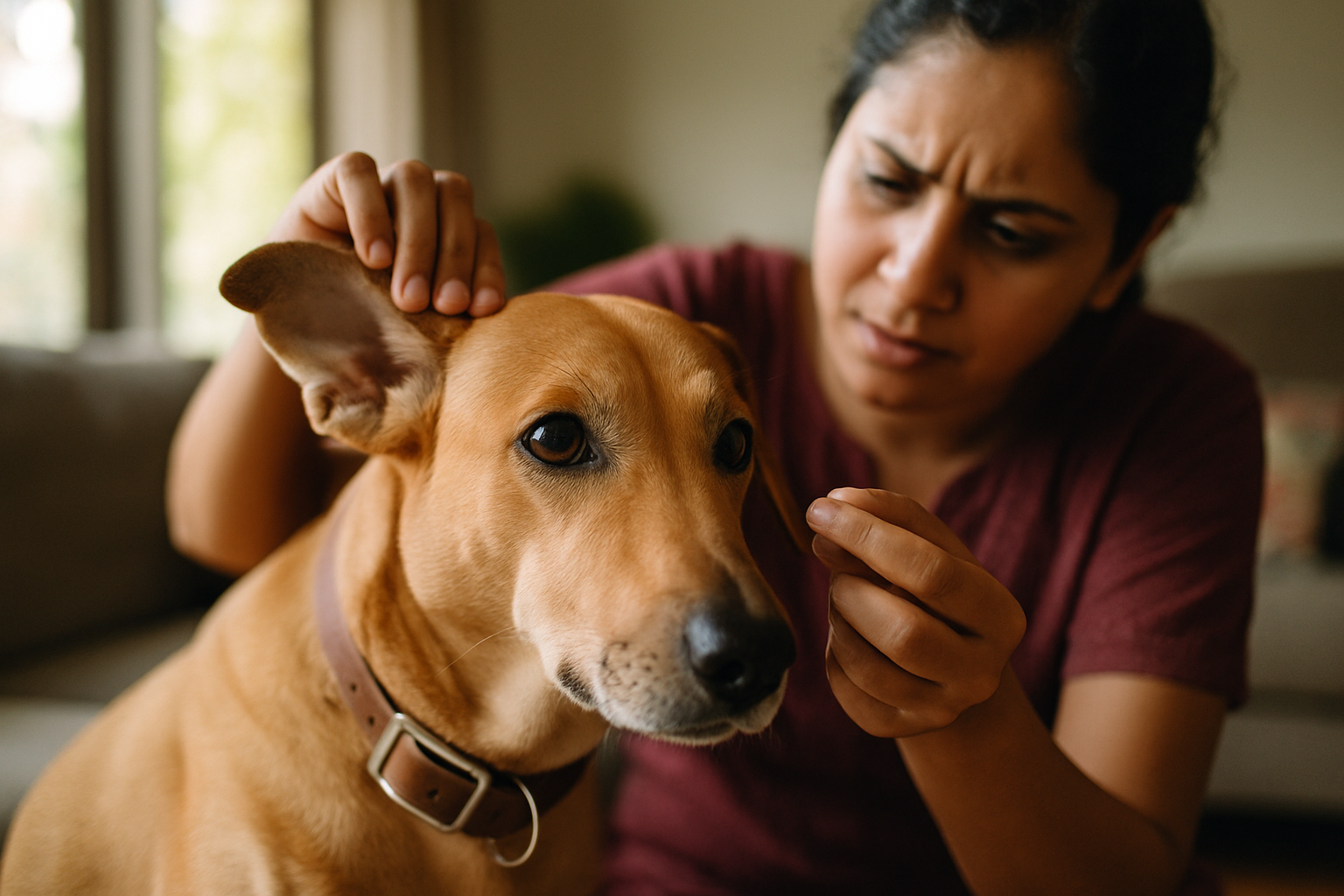
This guide provides Indian pet owners with essential information on preventing and managing tick-borne diseases in dogs, emphasizing regular tick checks, effective prevention measures, and treatment options. It also highlights the importance of early detection and veterinary care to ensure the well-being of your pet.
Overview
Tick-borne diseases pose a significant health risk to dogs across India. These diseases are caused by pathogens transmitted through tick bites and can lead to severe health complications if not promptly addressed. Common tick-borne diseases affecting dogs in India include Ehrlichiosis, Babesiosis, Anaplasmosis, and Lyme disease. Understanding how to prevent and manage these conditions is crucial for maintaining your pet's health and well-being.
Causes/Risk Factors
Ticks thrive in warm, humid environments, making many regions in India particularly susceptible to tick infestations. The risk factors for tick-borne diseases include:
- Geographical Location: Areas with dense vegetation, forests, or rural settings tend to have higher tick populations.
- Outdoor Activity: Dogs that spend a lot of time outdoors, especially in grassy or wooded areas, are more exposed to ticks.
- Seasonal Variations: Tick activity increases during the warmer months, although they can be present year-round in some regions.
- Contact with Other Animals: Interaction with other dogs or wildlife can increase the risk of tick exposure.
Symptoms
Symptoms of tick-borne diseases in dogs can vary depending on the specific disease and the stage of infection. Common symptoms to watch for include:
- Fever: An elevated body temperature is often one of the first signs.
- Lethargy: Affected dogs may appear unusually tired or weak.
- Loss of Appetite: A sudden decrease in interest in food can be a warning sign.
- Joint Pain or Lameness: Some diseases cause painful joints, leading to limping.
- Swollen Lymph Nodes: Lymph node enlargement can occur as the body fights off infection.
- Vomiting or Diarrhea: Gastrointestinal symptoms can also be present.
Treatment
If you suspect your dog has a tick-borne disease, it is crucial to seek veterinary care immediately. Treatment typically involves:
- Antibiotics: Medications such as doxycycline are commonly used to treat bacterial infections like Ehrlichiosis and Anaplasmosis.
- Supportive Care: This may include fluid therapy, nutritional support, and pain management to help your dog recover.
- Blood Transfusions: In severe cases of Babesiosis, a blood transfusion may be necessary.
Prompt treatment can significantly improve the prognosis for dogs with tick-borne diseases.
Prevention
Preventing tick-borne diseases is more effective than treating them. Here are some strategies to protect your dog:
- Regular Tick Checks: After outdoor activities, thoroughly check your dog for ticks. Pay attention to areas like the ears, neck, and between the toes.
- Tick Preventatives: Use veterinarian-recommended tick prevention products, such as spot-on treatments, collars, or oral medications, to reduce the risk of tick bites.
- Environment Management: Keep your yard well-maintained by trimming grass and removing leaf litter to minimize tick habitats.
- Avoid Tick-Infested Areas: When possible, avoid walking your dog in areas known for high tick populations.
- Regular Grooming: Regularly groom your dog to keep their coat healthy and to spot ticks early.
When to See a Vet
It is essential to consult a veterinarian if you observe any symptoms of tick-borne diseases in your dog or if you find a tick attached to your pet. Early intervention can prevent complications and improve health outcomes. Additionally, if you are unsure about the best tick prevention method for your dog, a veterinarian can provide guidance tailored to your pet's needs and lifestyle.
Petovac offers home veterinary services, providing convenient access to professional care for your pet's health needs. Whether for regular check-ups or addressing specific health concerns, professional assistance is just a call away.
Concerned About Your Pet's Health?
Skip the stressful clinic visit. Petovac brings vets to your doorstep for check-ups, vaccinations, and more — currently serving Bangalore, expanding soon.
Book a Home Vet Visit