
"Spotting and Managing Separation Anxiety in Pets: A Guide for Indian Pet Owners"
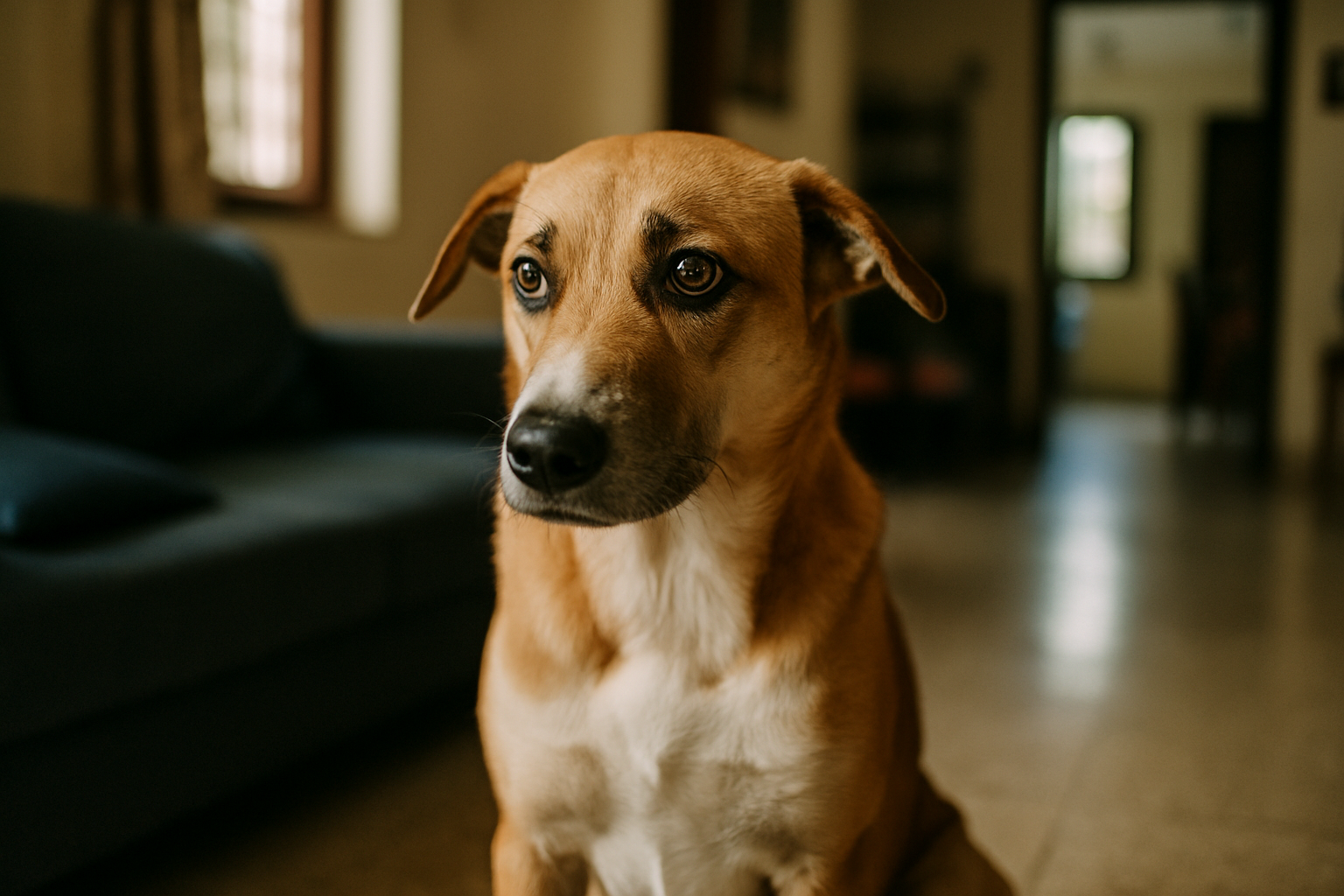
This guide provides Indian pet owners with essential information on identifying signs of separation anxiety in pets and effective strategies for managing it. It covers practical tips to help reduce anxiety and ensure the well-being of pets when left alone.
Overview
Separation anxiety is a common behavioral issue that affects many pets, including dogs and cats. It can manifest itself in various forms, from destructive behavior to excessive vocalization, and can be distressing for both pets and their owners. Understanding the signs and managing this condition effectively is crucial for ensuring your pet's well-being and maintaining a harmonious household.
Causes/Risk Factors
Several factors can contribute to separation anxiety in pets. Being aware of these can help you identify potential triggers and mitigate their effects.
- Change in Routine: Pets thrive on routine, and any significant changes, such as a new work schedule or moving to a new home, can trigger anxiety.
- Past Trauma: Pets that have experienced abandonment or have been rehomed multiple times are more susceptible to anxiety issues.
- Lack of Socialization: Pets that haven't been adequately socialized may develop anxiety when left alone.
- Genetic Factors: Some breeds are more prone to anxiety due to their genetic makeup.
Symptoms
Identifying the symptoms of separation anxiety is the first step in managing the condition. Here are some common signs to watch for:
- Destructive Behavior: Chewing furniture, scratching doors, or other destructive acts when left alone.
- Excessive Vocalization: Persistent barking, whining, or meowing in the absence of their owner.
- House Soiling: Urinating or defecating indoors despite being house-trained.
- Pacing and Restlessness: Continuous pacing or inability to settle down.
- Attempts to Escape: Trying to escape through windows or doors when left alone.
Treatment
Managing separation anxiety requires a combination of behavioral strategies and, in some cases, medical intervention. Here are some approaches to consider:
- Gradual Desensitization: Gradually accustom your pet to being alone by leaving them for short periods and slowly increasing the duration.
- Positive Reinforcement: Reward calm behavior with treats or praise to encourage relaxation during your absence.
- Interactive Toys: Provide toys or puzzles to keep your pet occupied and distracted when you're away.
- Calming Products: Consider using pheromone diffusers or calming collars that can help reduce anxiety.
- Professional Training: Engaging a professional trainer or behaviorist can be beneficial for developing a tailored management plan.
- Medication: In severe cases, consult your veterinarian about the possibility of anti-anxiety medication to help manage symptoms.
Prevention
Preventing separation anxiety from developing is often easier than treating it. Here are some preventive measures that can be implemented:
- Establish a Routine: Maintain a consistent daily schedule for feeding, walks, and playtime.
- Socialize Your Pet: Expose your pet to various people, environments, and other animals to build confidence.
- Encourage Independence: Teach your pet to enjoy alone time by providing them with a comfortable space and engaging toys.
- Reduce Departure Cues: Avoid making a big fuss when leaving or returning home to prevent heightening your pet's anxiety.
When to See a Vet
If your pet's separation anxiety persists despite your efforts to manage it, or if their behavior poses a risk to their health or safety, it's essential to seek professional help. A veterinarian can rule out any underlying medical conditions that may be contributing to the behavior and can provide guidance on further treatment options. Petovac's home veterinary services offer a convenient way to consult with a vet without the stress of travel, making it easier for both you and your pet.
By understanding the causes and symptoms of separation anxiety and taking proactive steps to manage it, you can help your pet lead a happier, more relaxed life. Remember, patience and consistency are key, and seeking professional advice is always a wise choice if you're unsure about how to proceed.
Concerned About Your Pet's Health?
Skip the stressful clinic visit. Petovac brings vets to your doorstep for check-ups, vaccinations, and more — currently serving Bangalore, expanding soon.
Book a Home Vet Visit