
Spaying & Neutering — Benefits, Timing & Recovery Guide
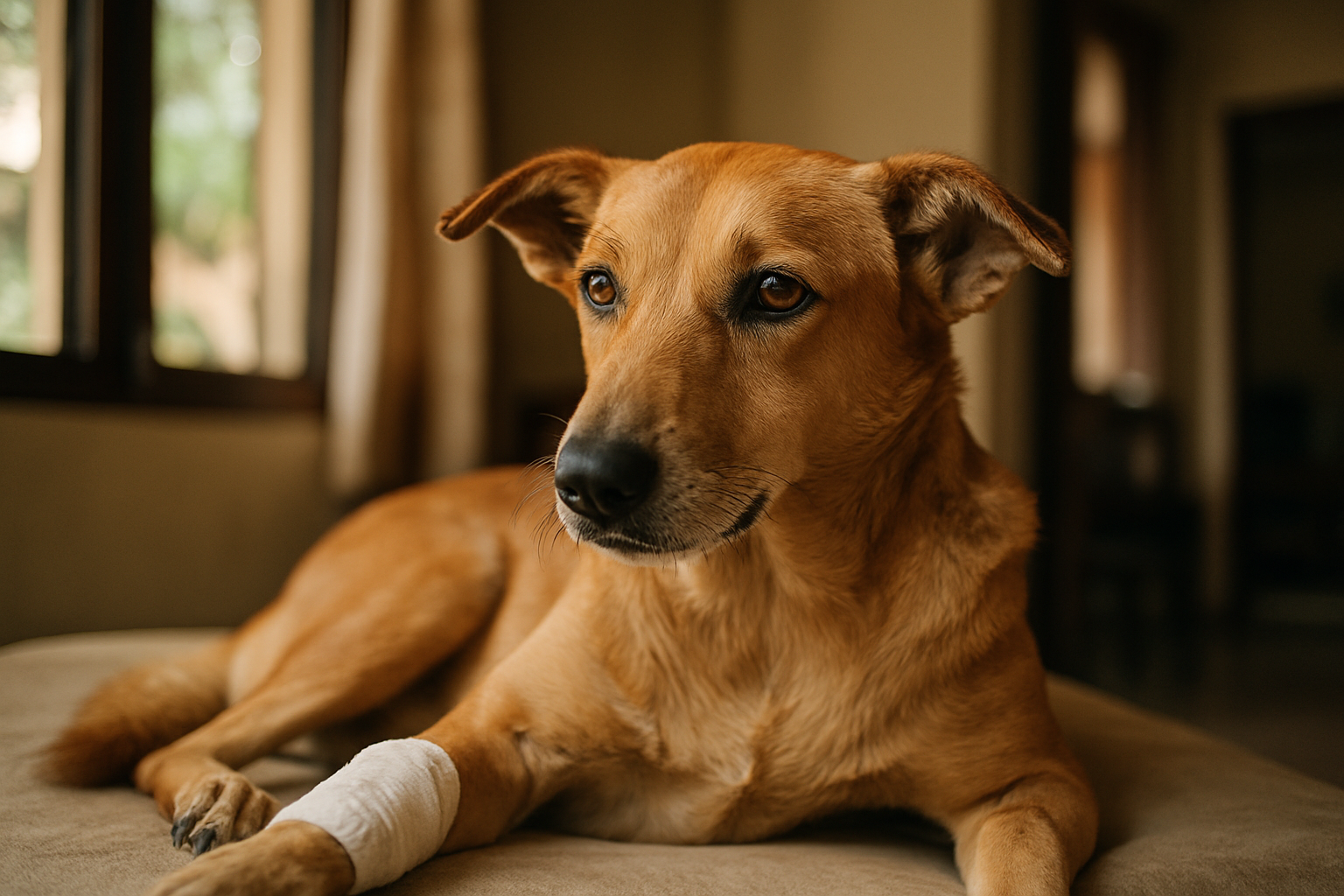
This guide provides essential information on the benefits of spaying and neutering pets, including health improvements and population control. It also covers the ideal timing for these procedures and offers recovery tips to ensure your pet's smooth and safe healing process.
Overview
Spaying and neutering are surgical procedures that prevent pets from reproducing. Spaying refers to the removal of the ovaries and usually the uterus in female animals, while neutering refers to the removal of the testicles in males. These procedures are crucial for controlling the pet population and offer numerous health and behavioral benefits for your pet.
Benefits of Spaying and Neutering
Spaying and neutering provide several advantages for both pets and their owners:
- Health Benefits: Spaying eliminates the risk of ovarian and uterine cancers in females and significantly reduces the risk of breast tumors, which are often malignant. Neutering males prevents testicular cancer and can reduce the risk of prostate problems.
- Behavioral Improvements: Neutered males are less likely to roam away from home, exhibit aggression, or mark territory with urine. Spayed females will not go into heat, which can eliminate yowling and frequent urination associated with this cycle.
- Population Control: These procedures help reduce the number of homeless animals and the burden on animal shelters.
- Cost-Effective: Preventing unwanted litters and potential health problems can save on long-term veterinary costs.
Timing for Spaying and Neutering
The optimal timing for spaying or neutering your pet can vary based on several factors including breed, size, and overall health. Generally, it is recommended to spay or neuter pets before they reach sexual maturity to maximize health benefits and minimize risks:
- Dogs: Smaller breeds can be spayed or neutered as early as 6 months of age, while larger breeds may benefit from waiting until they are 9-12 months old.
- Cats: Cats are often spayed or neutered around 5-6 months of age, though some veterinarians may recommend earlier surgery.
Consult your veterinarian to determine the best timing for your individual pet, considering their specific needs and lifestyle.
Recovery Guide
Post-surgery care is crucial to ensure a smooth recovery for your pet:
- Rest and Confinement: Keep your pet calm and restrict movement to prevent injury to the surgical site. Avoid letting them run, jump, or engage in strenuous activities for at least 7-10 days.
- Monitor the Incision: Check the surgical site daily for signs of infection such as redness, swelling, or discharge. Keep the area clean and dry.
- Prevent Licking: Use an Elizabethan collar (e-collar) or alternative to prevent your pet from licking or biting the incision, which can lead to infection or complications.
- Follow-up Care: Attend any scheduled follow-up appointments with your veterinarian to ensure proper healing.
- Diet and Hydration: Provide your pet with fresh water and a light meal post-surgery. Appetite may decrease temporarily; consult your vet if it persists.
Prevention
Spaying and neutering are preventive measures against various health issues and behavioral problems. Here are additional steps you can take to ensure your pet's well-being:
- Regular Veterinary Check-ups: Regular health exams can catch potential issues early.
- Healthy Diet and Exercise: Maintain your pet’s ideal weight to prevent obesity-related health problems.
- Training and Socialization: Proper training and socialization can prevent behavioral issues.
When to See a Vet
While spaying and neutering are common procedures, complications can occasionally occur. Contact your veterinarian if you notice any of the following:
- Signs of infection at the surgical site (redness, swelling, discharge).
- Persistent vomiting or diarrhea.
- Excessive lethargy or difficulty breathing.
- Loss of appetite lasting more than 24 hours post-surgery.
For pet parents in India, services like Petovac offer convenient home veterinary care, ensuring your pet receives the attention they need without the stress of travel.
Concerned About Your Pet's Health?
Skip the stressful clinic visit. Petovac brings vets to your doorstep for check-ups, vaccinations, and more — currently serving Bangalore, expanding soon.
Book a Home Vet Visit